


If you’ve been diagnosed with PCOS but feel like the standard advice—“just lose weight” or “cut carbs”—isn’t moving the needle, you’re not imagining it.
For a lot of women, the ovaries are only part of the story.
We need to talk about the adrenal glands.
At Guts To Goals, we look at systems over symptoms. Breakouts, missed periods, fatigue—these don’t happen in isolation. They’re outputs of a hormonal network. And for roughly 25–45% of women with PCOS, adrenal androgens (like DHEA-S) are significantly elevated, contributing to that imbalance (Luque-Ramírez & Escobar-Morreale, 2016; Moran et al., 2015).
This pattern is often called “Adrenal PCOS.”
Not an official diagnosis—but a very real physiological pattern.
The Adrenal Disconnect
The adrenal glands sit on top of your kidneys and are responsible for producing stress hormones like cortisol—and androgens like DHEA-S.
Research shows that in PCOS, the hypothalamic–pituitary–adrenal (HPA) axis can be hypersensitive, meaning your body produces a stronger hormonal response to stress than expected (Azziz et al., 1998).
What makes this important:
- Your androgen excess may not be driven by insulin or body weight
- You can be “doing everything right” and still struggle with symptoms
- Standard PCOS advice may not address your root driver
This is why some women with PCOS are lean, metabolically stable, and still experience:
- Persistent jawline acne
- Hair thinning or shedding
- Irregular cycles
- That “tired but wired” feeling
Adrenal androgens—especially DHEA-S, which is produced almost exclusively by the adrenal glands—play a key role here (Moran & Azziz, 2001).
Are You Accidentally Making It Worse?
Here’s where it gets uncomfortable.
A lot of common “wellness” habits can actually amplify adrenal output if your system is already sensitive.
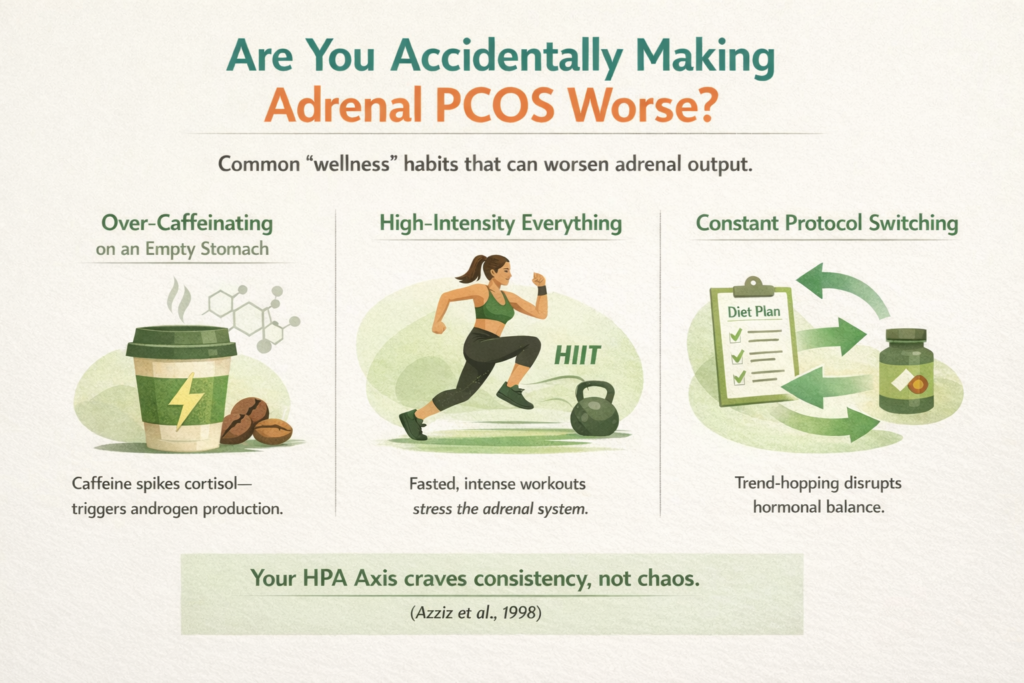
1. Over-Caffeinating on an Empty Stomach
Caffeine stimulates cortisol release. In a system that’s already reactive, this can cascade into increased androgen production through adrenal pathways.
2. High-Intensity Everything
HIIT, fasted workouts, constant pushing—these signal stress to the body.
Research shows that the HPA axis in PCOS can already be over-responsive. Piling on more stress signals may reinforce the loop rather than fix it (Azziz et al., 1998).
3. Constant Protocol Switching
Jumping from one trend to another creates physiological and psychological instability.
And your HPA axis thrives on the opposite: predictability and rhythm.
A Better Approach: Regulation Over Intensity
If adrenal androgens are a major driver of your symptoms, the goal isn’t more force.
It’s better signaling.
1. Prioritize Sleep Timing (Not Just Sleep Duration)
The adrenal system is tightly linked to circadian rhythm. Consistent sleep and wake times help regulate cortisol patterns—and by extension, androgen output.
2. Support Without Overstimulating
Some compounds show promise in supporting hormonal balance without adding stress load:
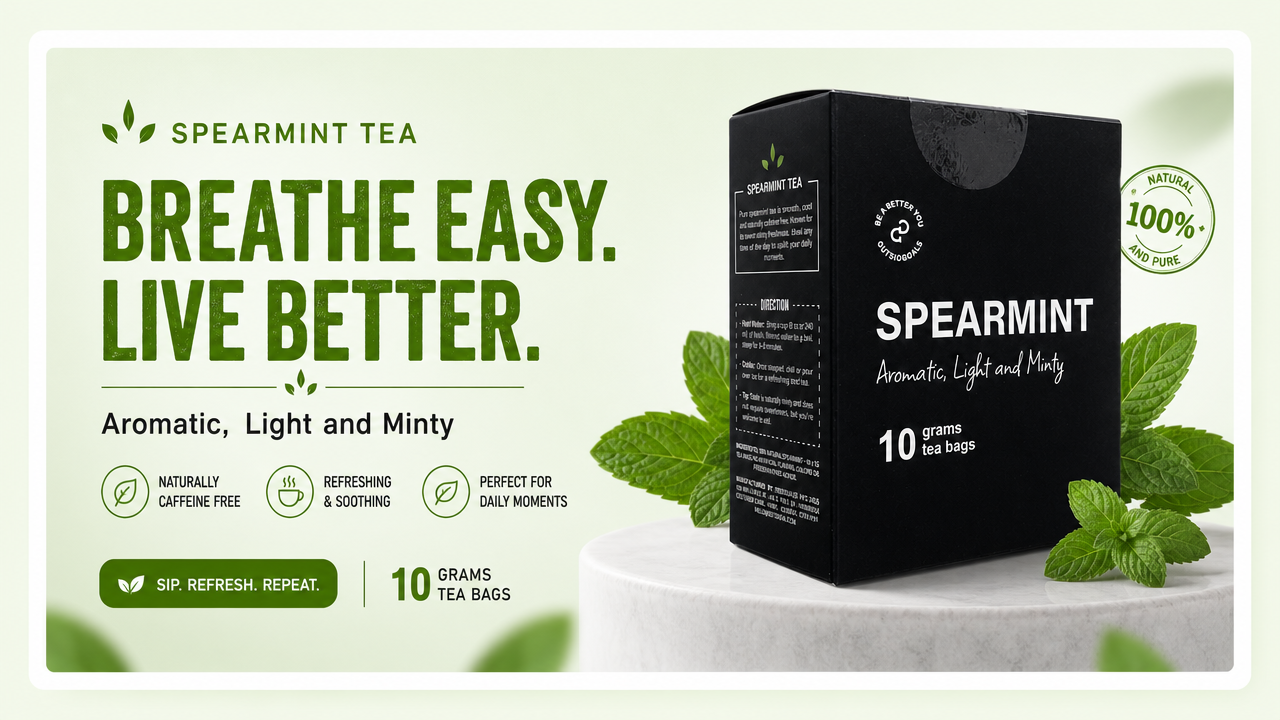
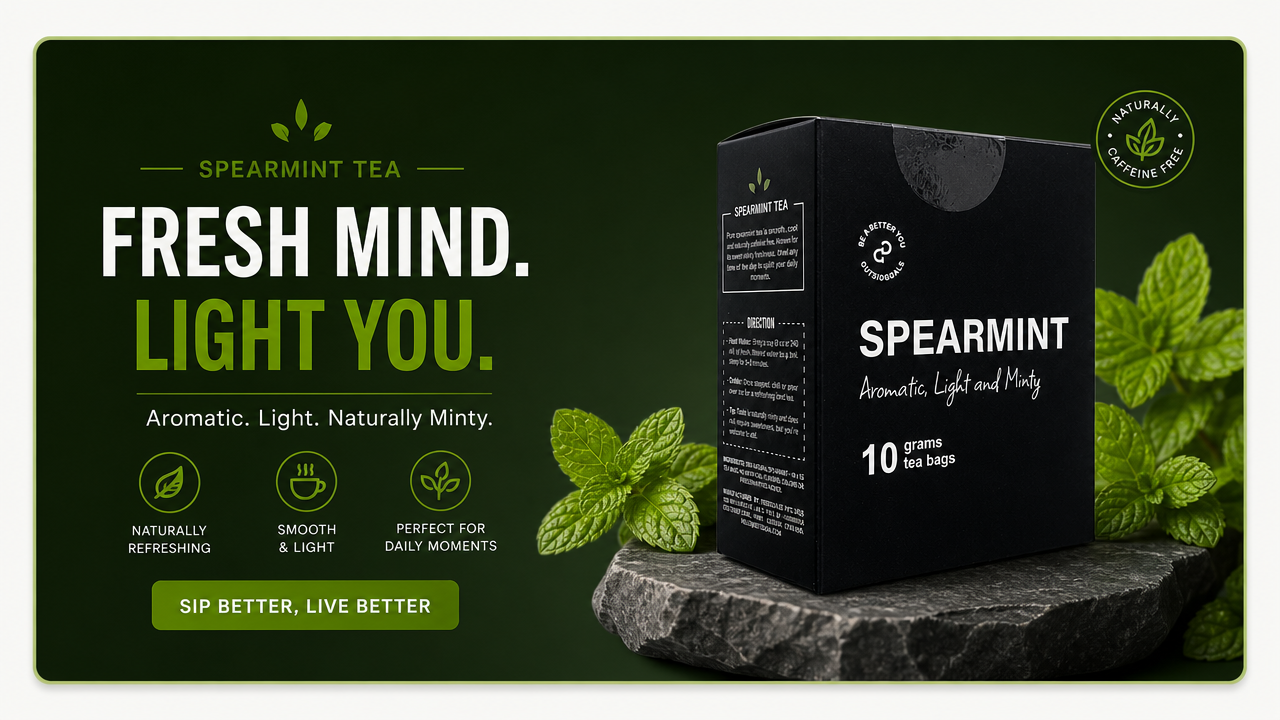
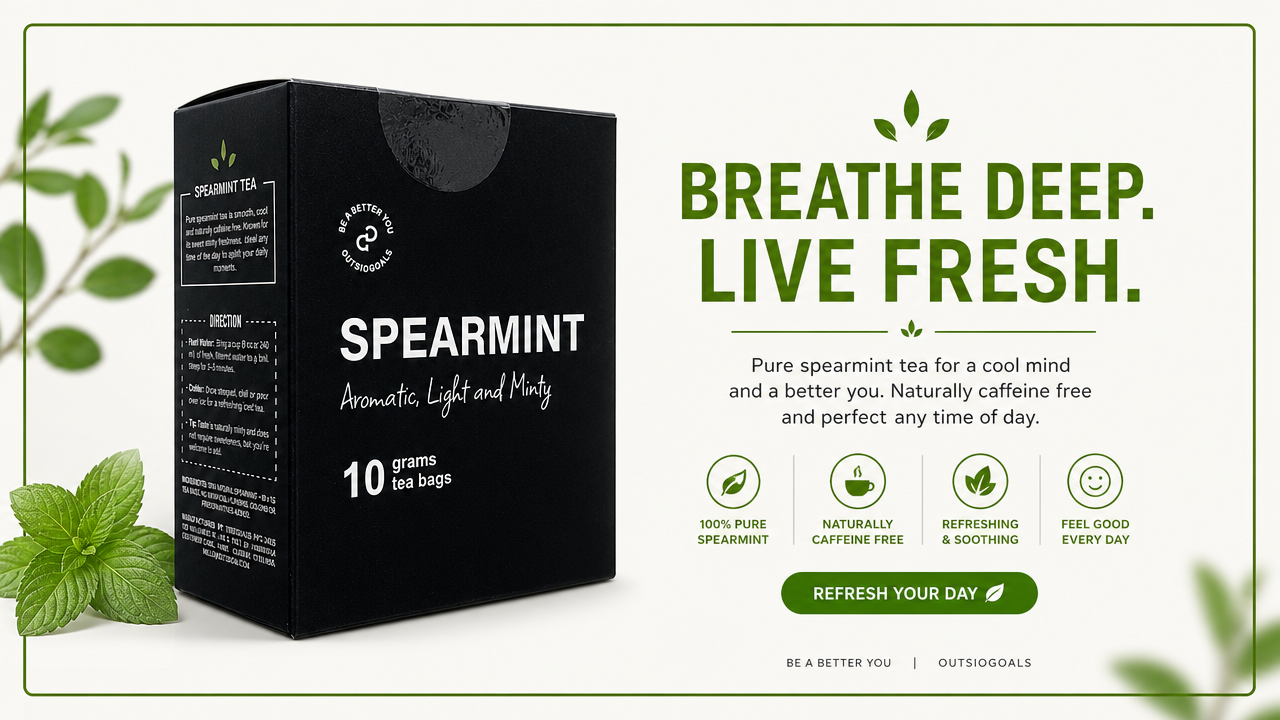
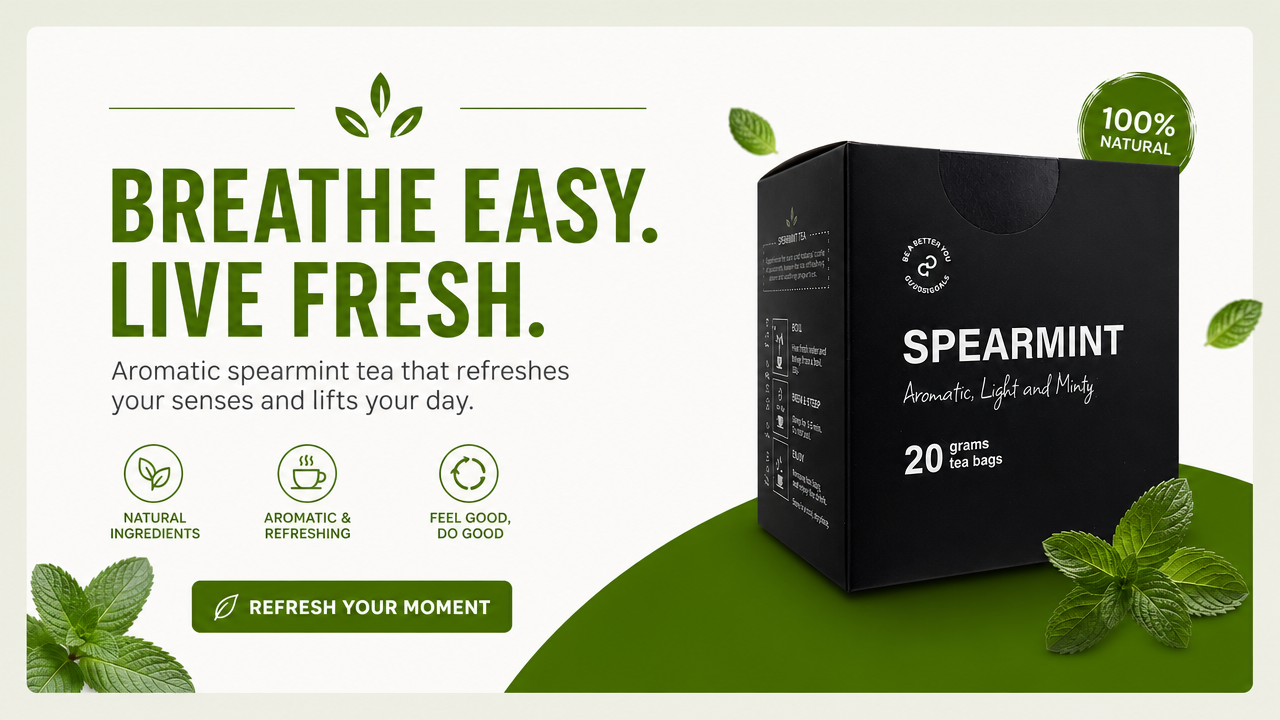
- Spearmint has been shown in clinical studies to reduce free testosterone in women with PCOS over time (Grant, 2010; Akdogan et al., 2007)
- Green tea (including matcha) contains EGCG, which has been studied for its effects on inflammation and metabolic markers associated with PCOS (Mombaini et al., 2017)
Not magic fixes—but useful tools when used consistently.
3. Build Repeatable Rituals
The HPA axis responds to patterns.
A simple, consistent daily input—whether it’s a morning drink, a walk, or a wind-down routine—can signal safety to the body in a way intensity never will.
The Bigger Picture
“Adrenal PCOS” isn’t a distinct diagnosis.
PCOS goes beyond the ovaries; it involves the nervous system, hormones, and metabolism as a whole.
When stress becomes part of the cycle, doing more can sometimes make things worse.
The Takeaway
If your symptoms aren’t improving despite doing “everything right,” the issue may not be discipline—it may be direction.
Instead of forcing outcomes, focus on regulation:
- Stabilize your rhythm
- Reduce unnecessary stress inputs
- Support your system consistently
Because when your body feels safe, it stops overcompensating.
And that’s where real progress starts.
References
- Azziz R, et al. (1998). Adrenal androgen excess in PCOS: role of HPA axis. Journal of Clinical Endocrinology & Metabolism.
- Luque-Ramírez M, Escobar-Morreale HF. (2016). Adrenal hyperandrogenism in PCOS. Current Pharmaceutical Design.
- Moran C, et al. (2015). Adrenal androgen excess and body mass in PCOS. JCEM.
- Moran C, Azziz R. (2001). The role of the adrenal cortex in PCOS. Obstetrics and Gynecology Clinics.
- Grant P. (2010). Spearmint herbal tea has anti-androgen effects in PCOS. Phytotherapy Research.
- Akdogan M, et al. (2007). Effects of spearmint tea on androgen levels in women with hirsutism. Phytotherapy Research.
- Mombaini E, et al. (2017). Green tea supplementation in PCOS: effects on metabolic and hormonal parameters. Iranian Journal of Reproductive Medicine.




Comments
No comments yet. Be the first to share your thoughts!