


While Polycystic Ovary Syndrome (PCOS) is primarily diagnosed through hormonal markers—specifically androgens and insulin—chronic low-grade inflammation is often the silent driver of the system’s dysfunction.
In the Guts To Goals framework, we view this not as a separate “type” of PCOS, but as a dominant underlying mechanism. Understanding the inflammatory load is essential to moving from symptom suppression to systemic stability.
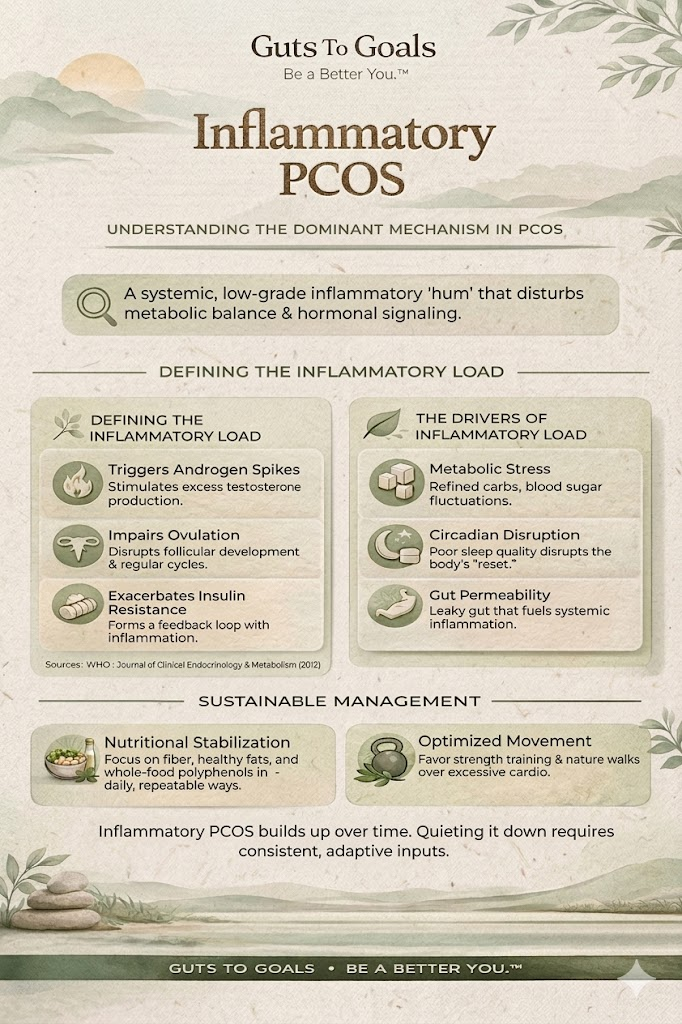
Defining the Inflammatory Load
Inflammatory PCOS is characterized by a persistent, low-level immune response that disrupts ovarian signaling and metabolic balance. Unlike acute inflammation (the redness of an injury), this is a cellular-level “hum” that:
- Triggers Androgen Spikes: Inflammation directly stimulates the ovaries to produce excess testosterone, resulting in acne and hair thinning.
- Impairs Ovulation: Inflammatory cytokines can interfere with the follicular development required for a regular cycle.
- Exacerbates Insulin Resistance: Inflammation and insulin dysfunction form a feedback loop; one rarely exists without the other.
Research published in The Journal of Clinical Endocrinology & Metabolism confirms that this inflammatory state exists in PCOS patients independently of body mass index (González et al., 2012). It is a physiological reality, not just a lifestyle byproduct.
The Drivers: Why the System Is Overwhelmed
Inflammation is rarely caused by a single factor. It is the cumulative result of:
- Metabolic Stress: Diets high in refined glucose that cause frequent insulin spikes.
- Circadian Disruption: Poor sleep quality, which prevents the body’s nightly “anti-inflammatory reset.”
- Gut Permeability: Imbalances in the microbiome that leak inflammatory markers into the bloodstream.
- Cortisol Elevation: Chronic stress signals that keep the nervous system in a “pro-inflammatory” state.
Systemic Management: The G2G Protocol
Because inflammation is systemic, it does not respond to “quick fixes.” It responds to repetitive, low-intensity inputs.
1. Nutritional Stabilization
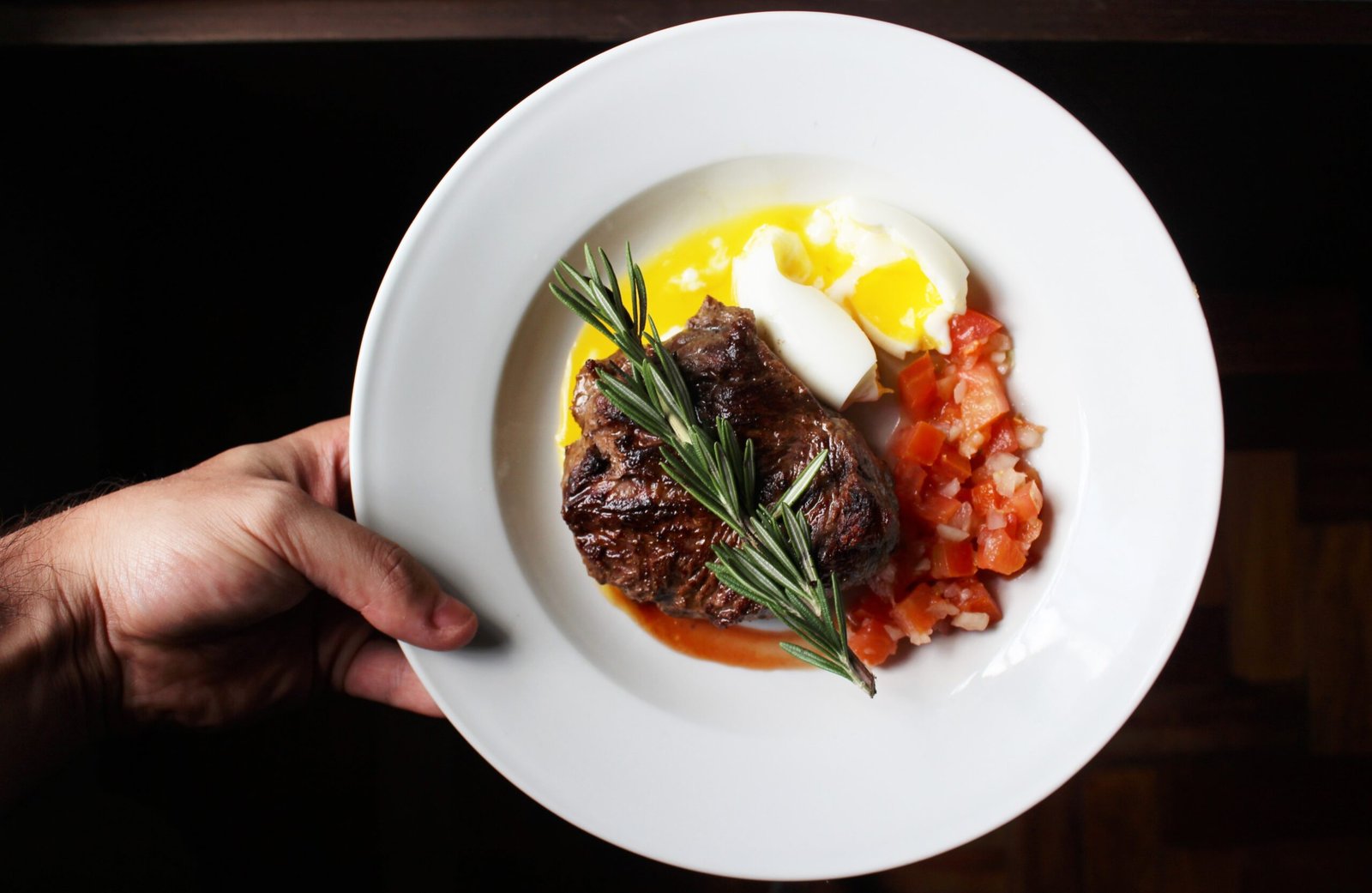
Shift focus from “dieting” to glucose stability. Prioritize fiber-rich vegetables, high-quality fats (such as omega-3s), and polyphenols. The goal is to reduce the “noise” in your internal environment.
2. Targeted Botanical Support
Specific compounds act as “biological modulators” within a daily routine. Beyond our foundational teas, research supports these systemic interventions:
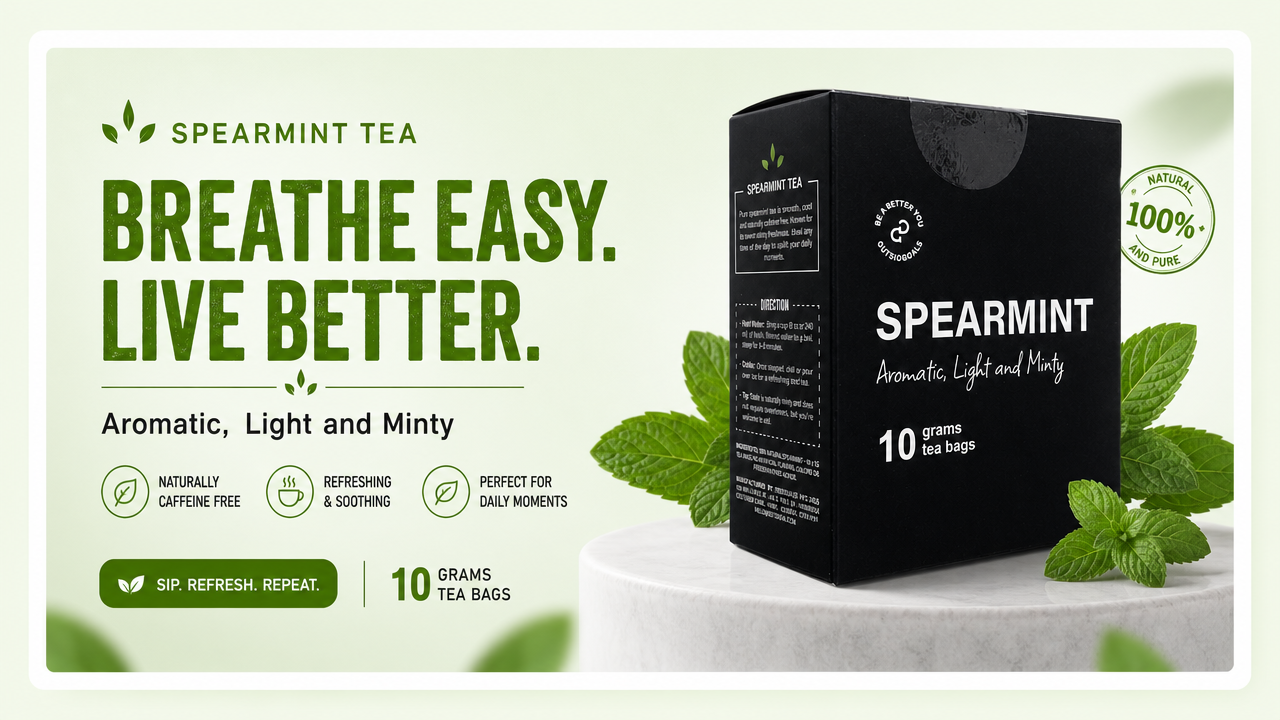
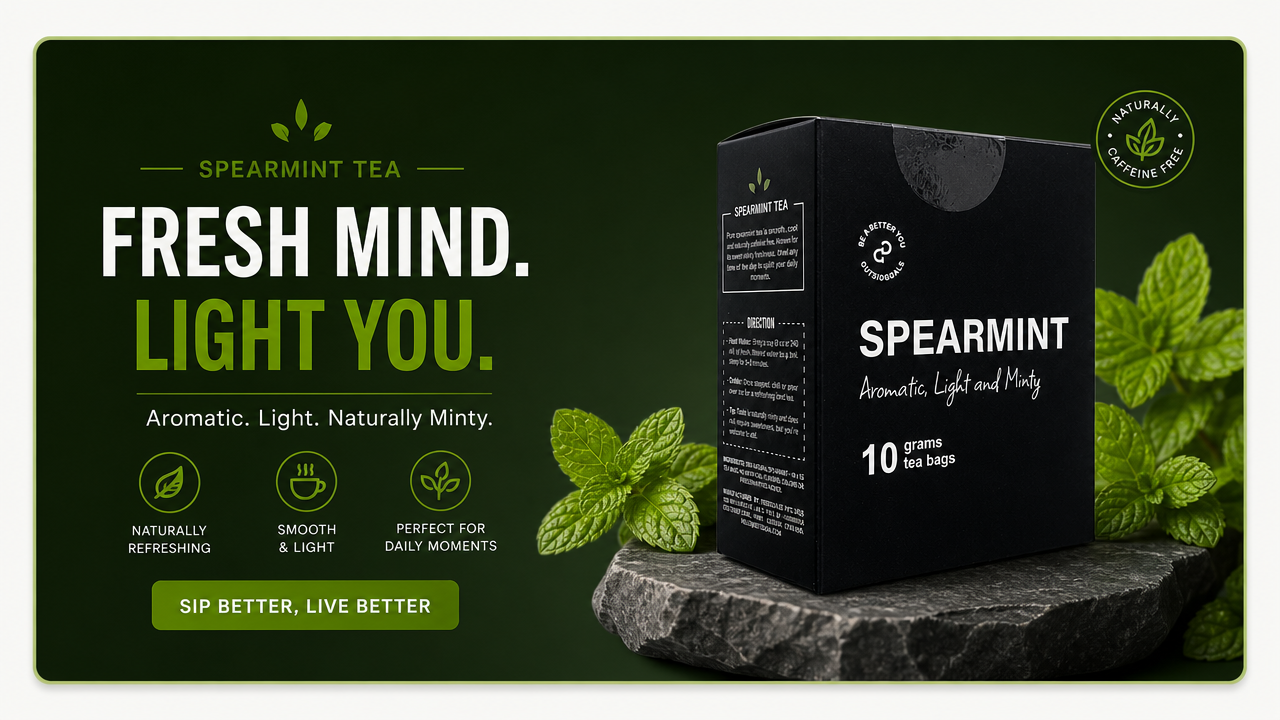
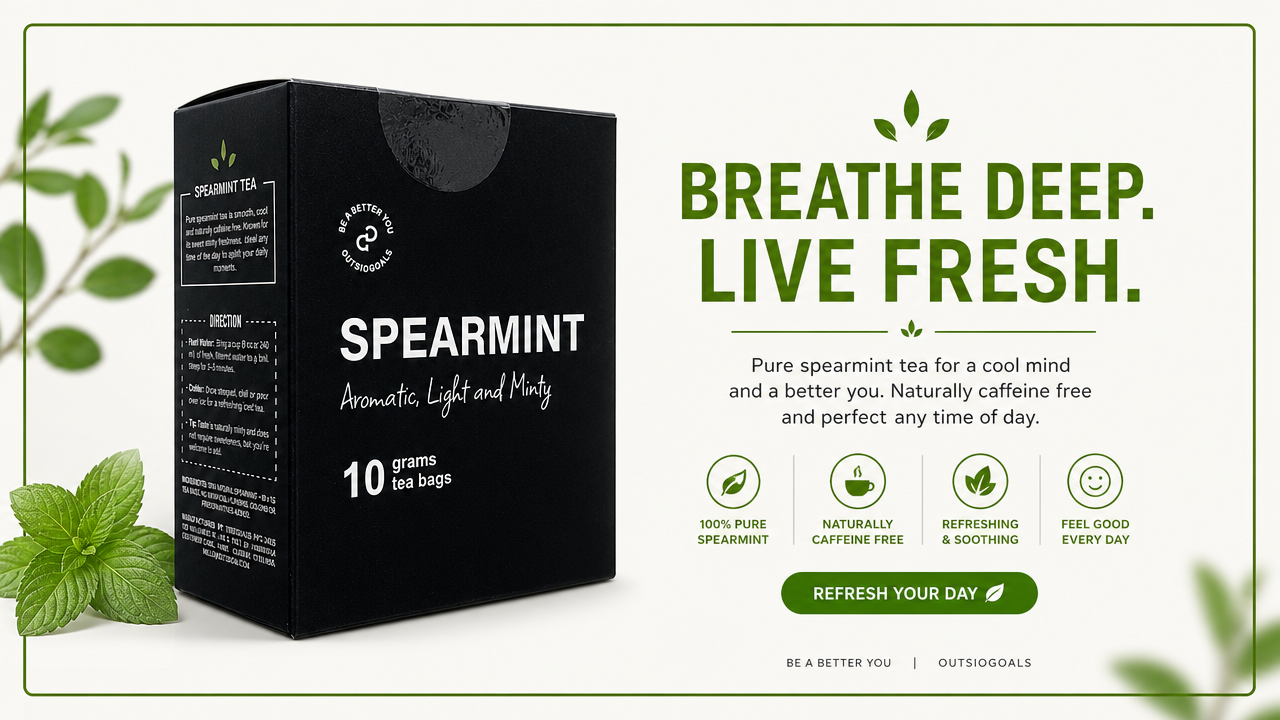
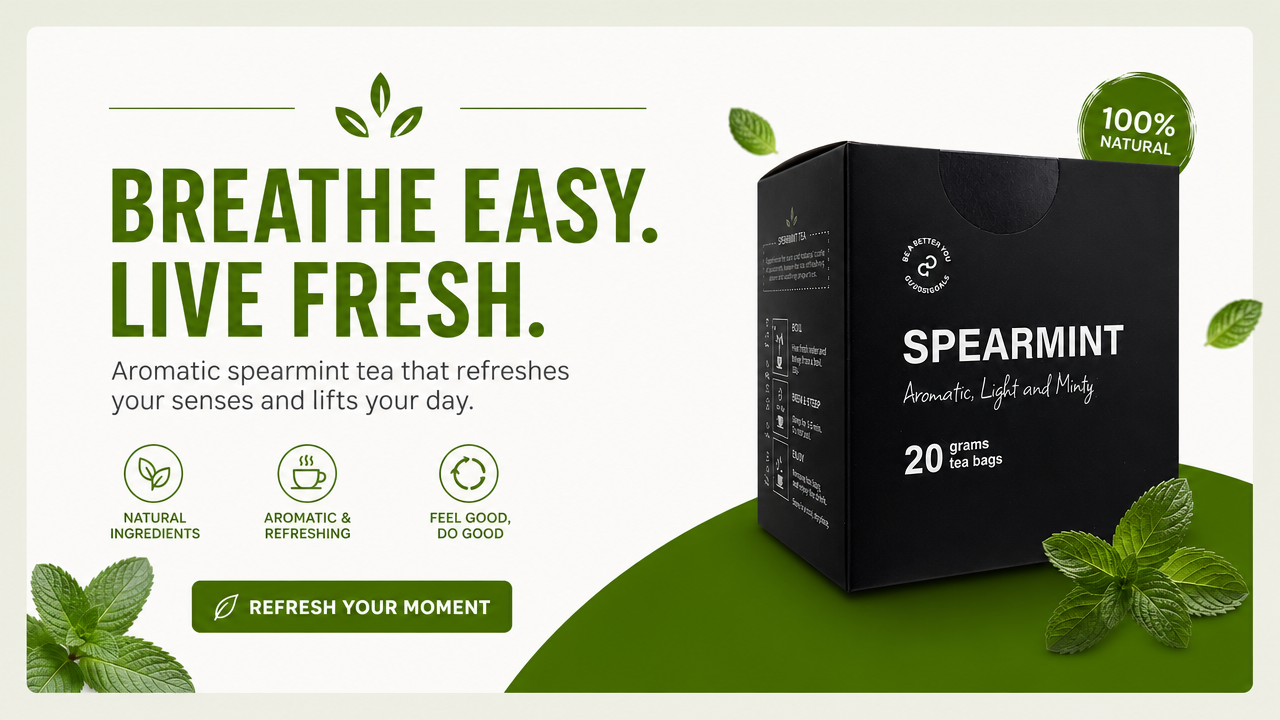
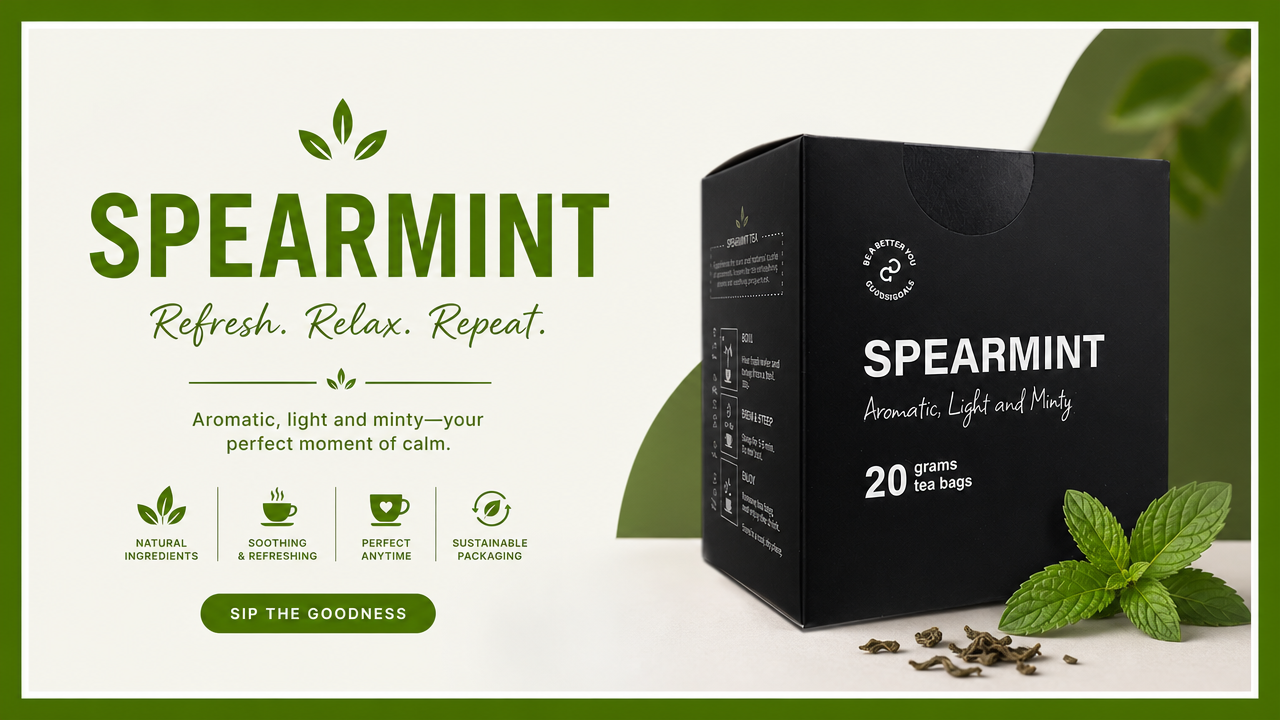
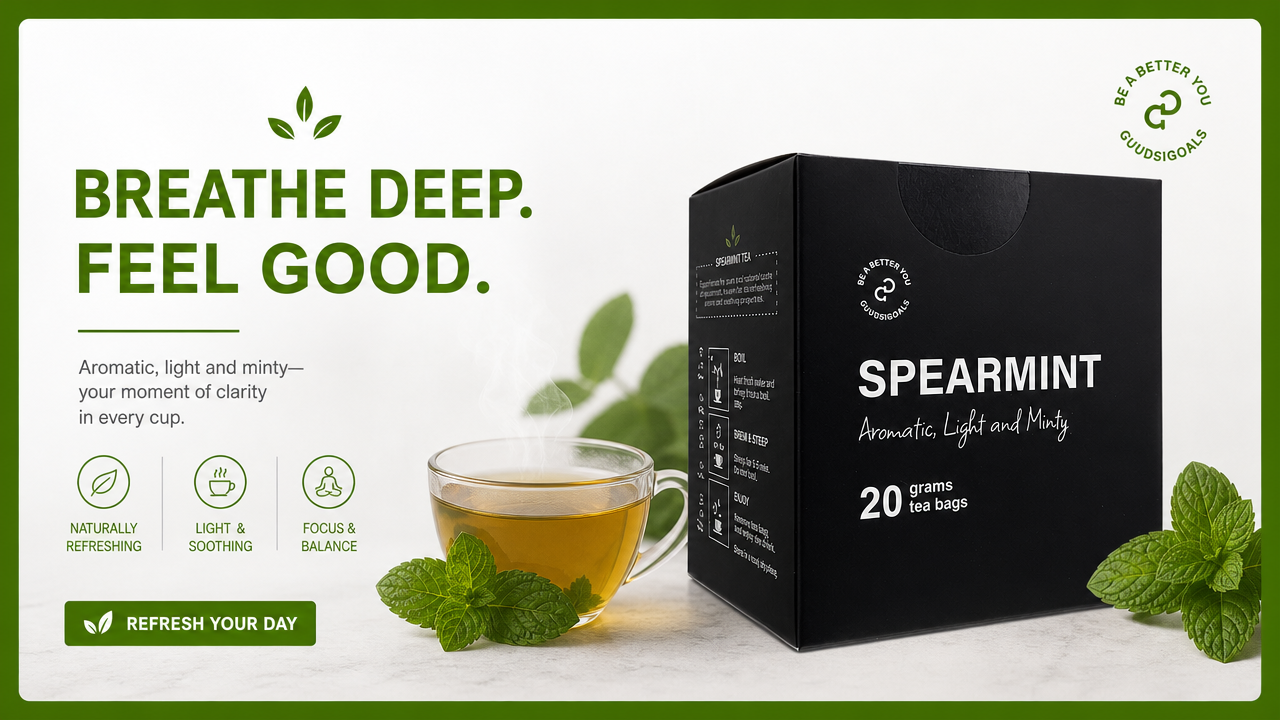
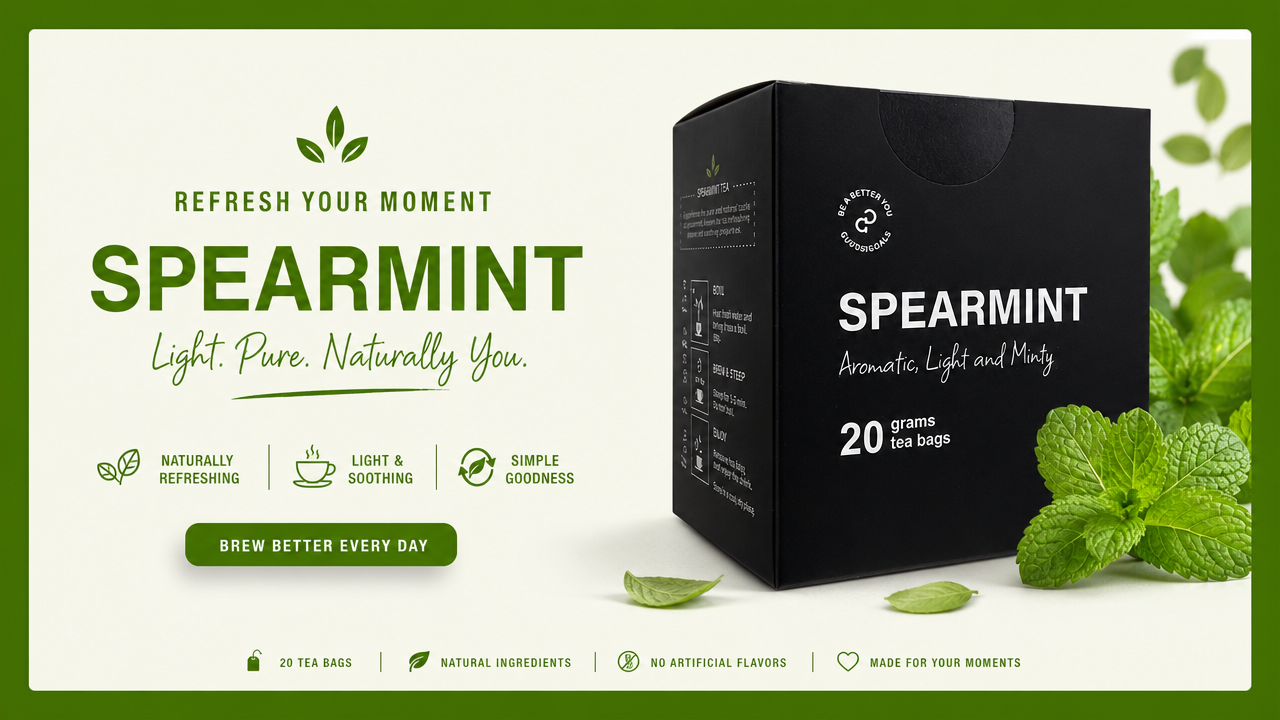
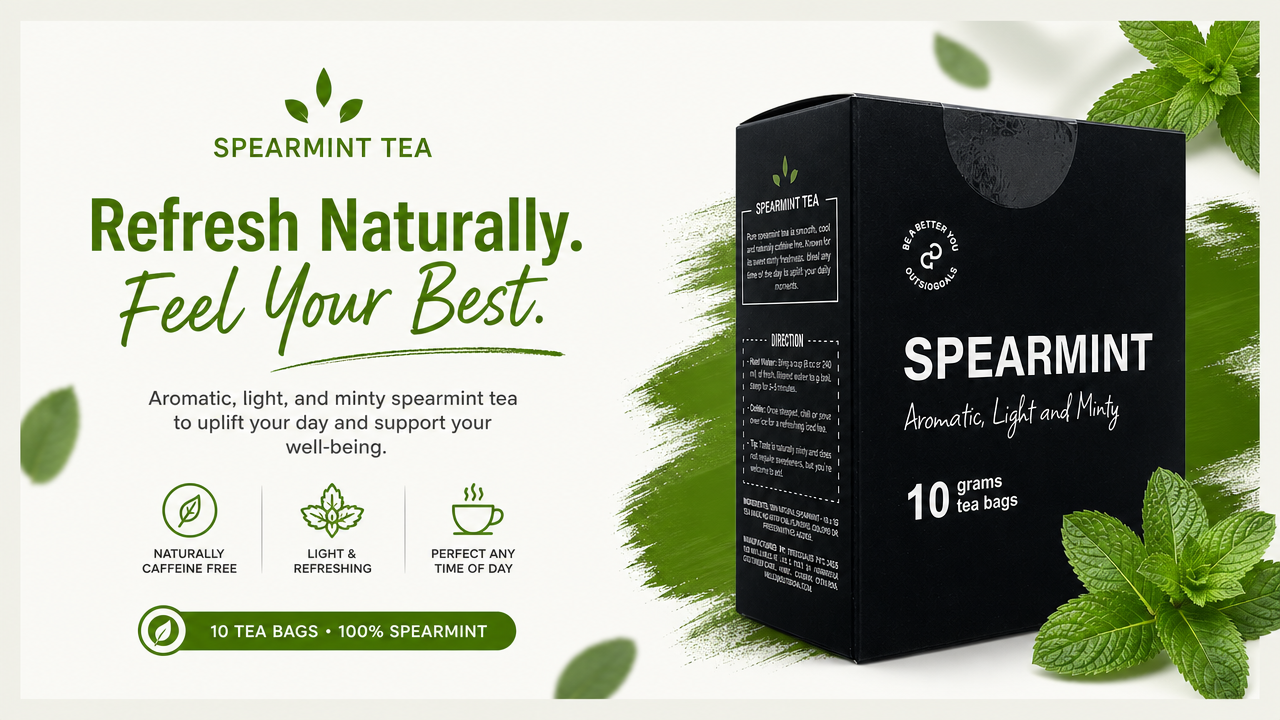
- Spearmint Tea: Studied for its anti-androgenic properties. A randomized trial in Phytotherapy Research found significant reductions in free testosterone through consistent consumption (Grant, 2010).
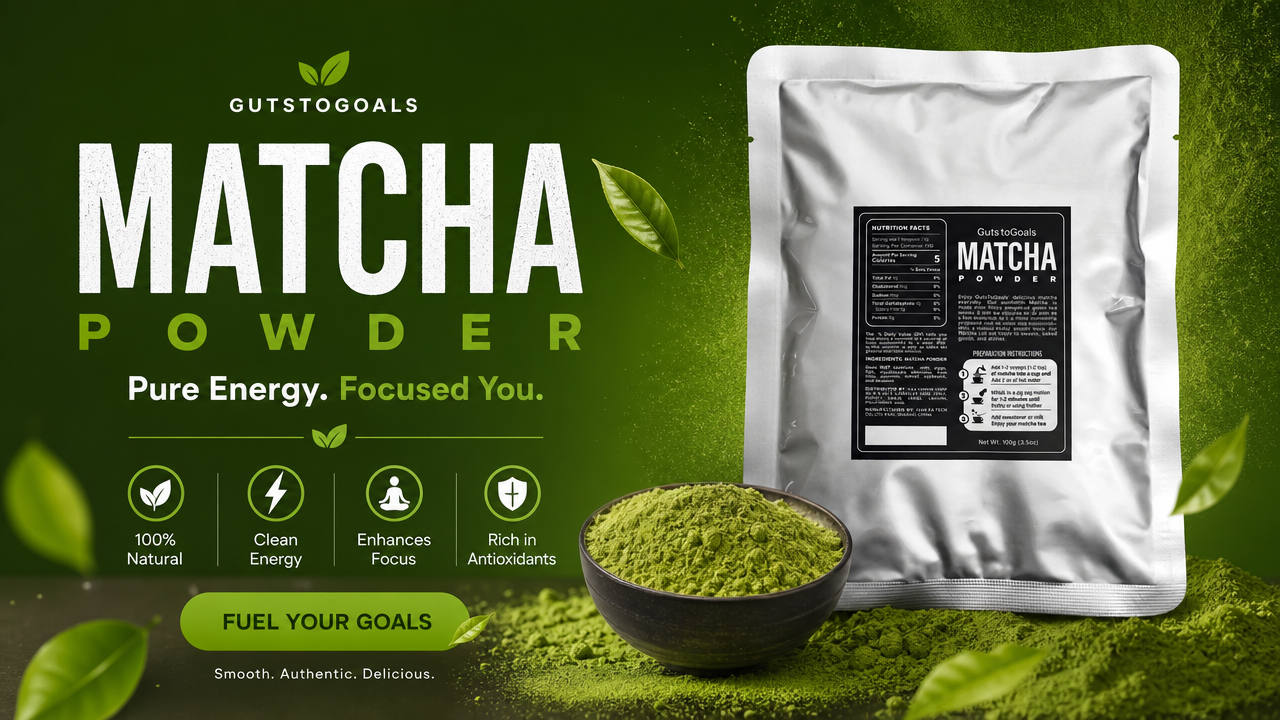
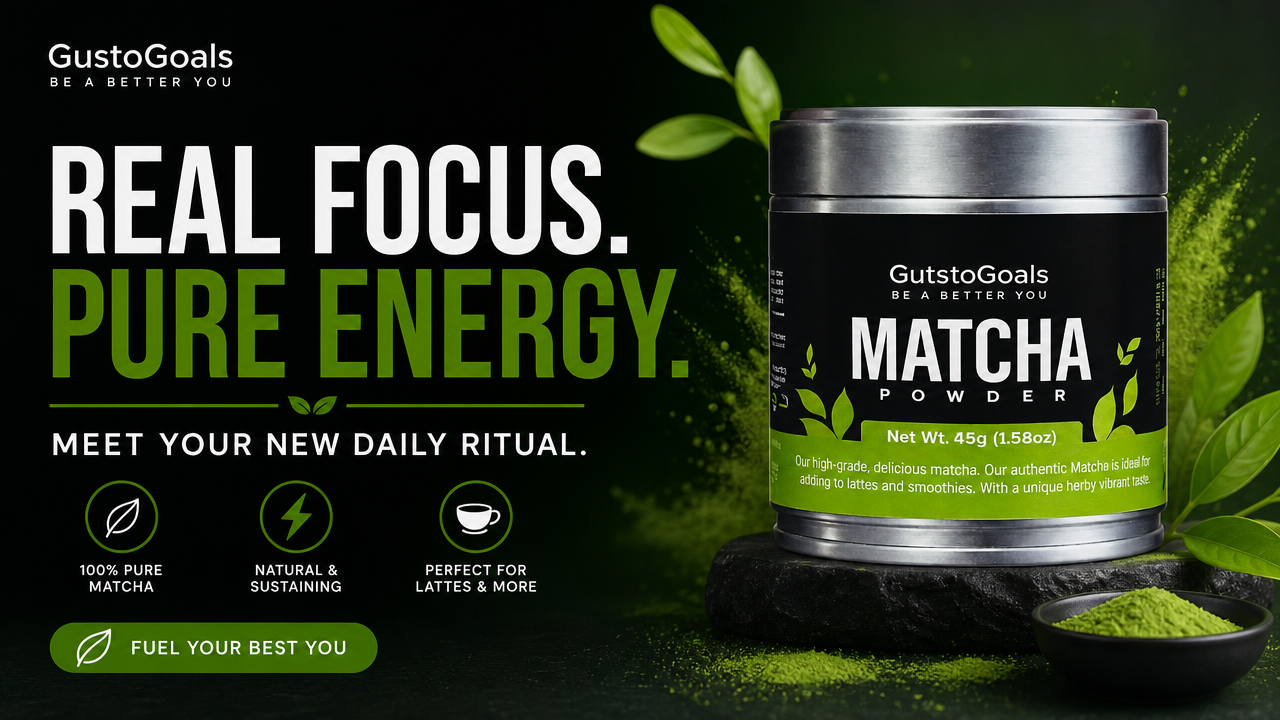
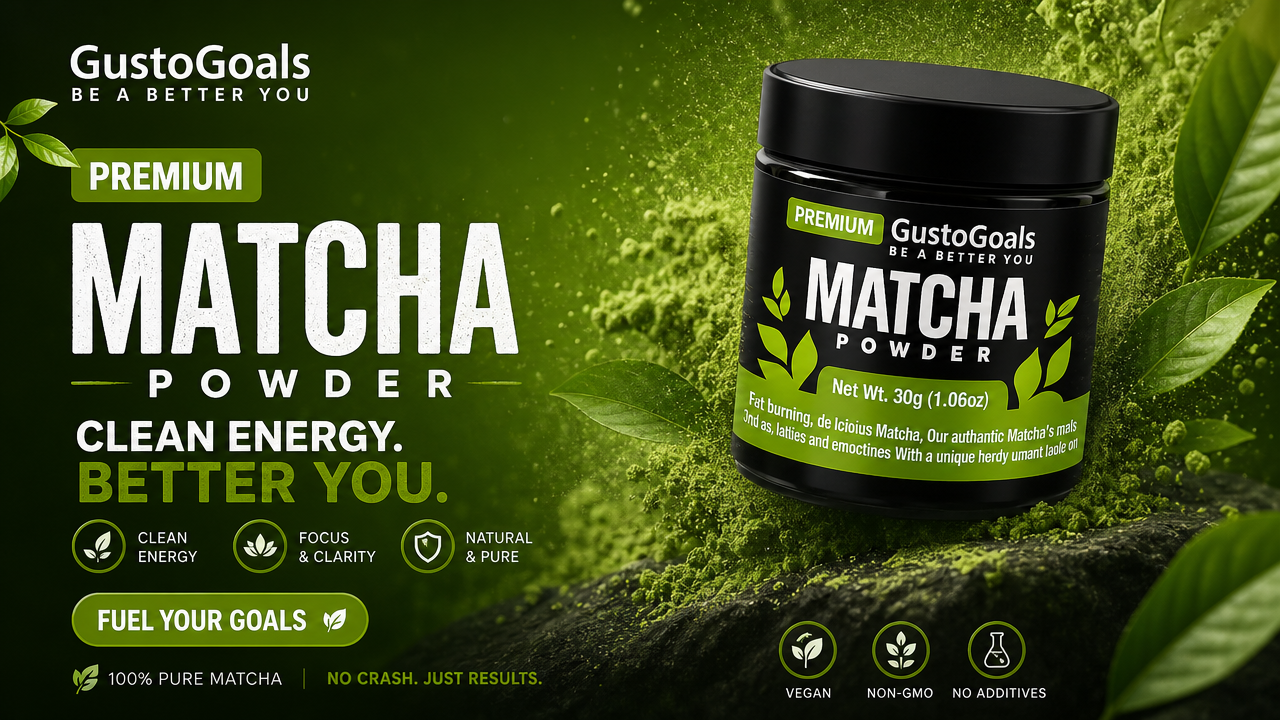
- Matcha (EGCG): High concentrations of epigallocatechin gallate (EGCG) provide potent antioxidant activity that supports insulin sensitivity and lowers systemic oxidative stress (Cabrera et al., 2006).
- Ceylon Cinnamon: A potent insulin mimetic. 2024 systematic reviews confirm it helps regulate blood glucose and lowers HOMA-IR scores, directly quieting the metabolic triggers of PCOS.
- Turmeric (Curcumin): Acts as an NF-κB inhibitor—effectively turning down the “master switch” of systemic inflammation and lowering C-reactive protein (CRP) levels.
- Ginger: New research (Thorne et al., 2024) suggests ginger acts as a hormonal modulator, helping to restore the LH/FSH ratio and reducing circulating testosterone.
3. Optimized Movement
In an inflammatory state, intensity is a variable that must be managed. High-intensity interval training (HIIT) can sometimes elevate cortisol too much for those with high inflammatory loads. Favor strength training and walking to build metabolic health without overstressing the adrenals.
4. The Sleep Foundation
Sleep is the primary regulator of the immune system. Even partial sleep deprivation increases inflammatory cytokines, which directly worsen PCOS symptoms. Chamomile and spearmint tea may help relax the body and mind.
The Guts To Goals Take
Inflammatory PCOS is a phase of high internal noise. You cannot “mute” it overnight with a pill.
True progress comes from systems over symptoms. By stacking small, repeatable habits—the tea you drink, the spices you incorporate, the hours you sleep, and the way you move—you slowly lower the body’s inflammatory baseline. It is a slow build, but it is the only way to achieve foundational clarity.
Be a Better You.™



Comments
No comments yet. Be the first to share your thoughts!