


Understanding Hormonal Acne in PCOS (and What Actually Helps)
If you have Polycystic Ovary Syndrome (PCOS) or now known as Polyendocrine Metabolic Ovarian Syndrome (PMOS), you’ve probably tried countless skincare products—cleansers, serums, spot treatments.
And if they didn’t work, it’s not because you’re doing something wrong.
It’s because PCOS acne isn’t just a skincare issue—it’s a hormonal issue.
Unlike typical breakouts, hormonal acne from PCOS is driven by internal imbalances, especially involving androgens and insulin.
What Causes PCOS Acne?
1. High Androgens (Hormonal Acne Trigger)
One of the main causes of PCOS acne is elevated androgen levels (like testosterone).
These hormones:
- increase oil production
- thicken the oil in your pores
- make clogging more likely
This is why PCOS hormonal acne is often:
- deep
- cystic
- painful
- slow to heal
2. Insulin Resistance (The Hidden Driver)
Many women with PCOS also have insulin resistance, even if blood sugar looks normal.
When insulin is high:
- it stimulates more androgen production
- it makes breakouts more frequent and severe
This is why treating PCOS acne often requires going beyond skincare.
Where PCOS Acne Shows Up (Your Hormonal Map)
PCOS acne follows patterns.
Understanding where your breakouts appear can give clues about what’s happening internally.
Common PCOS Acne Areas:
- Jawline & chin → hormonal imbalance (androgens)
- Neck → deeper hormonal or metabolic signals
- Inflamed cysts → often linked to internal inflammation
This pattern is one reason hormonal acne in PCOS doesn’t respond well to topical products alone.
Calming the Flare: Strategic Hormonal Support
Instead of focusing only on skincare, the goal is to support your internal balance.
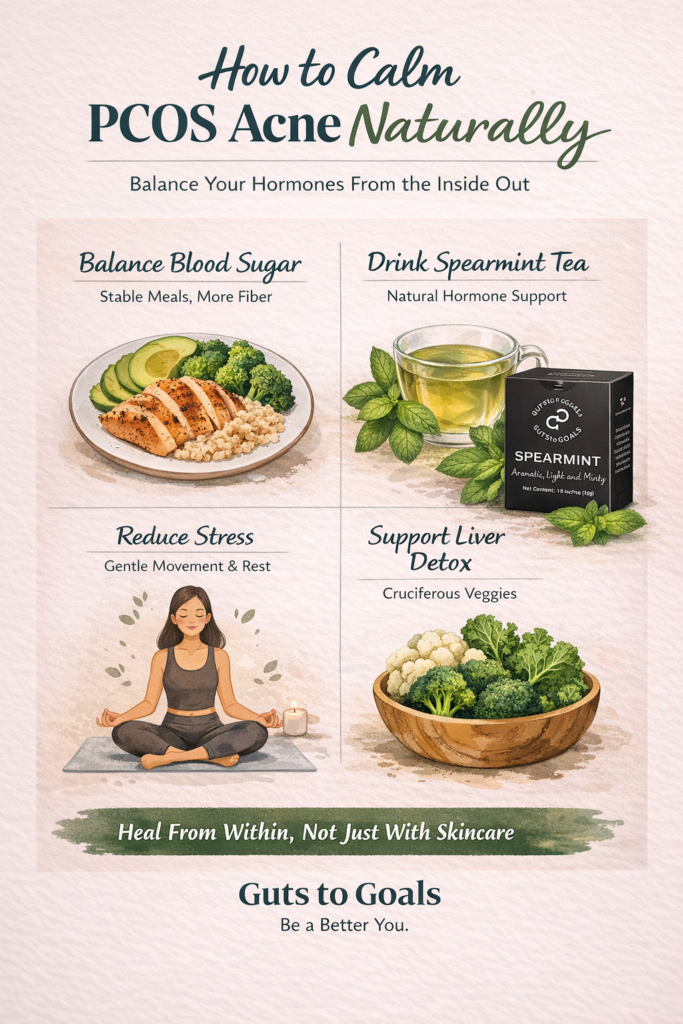
1. Balance Blood Sugar First
If insulin is unstable, acne often follows.
What helps:
- protein-rich meals
- fiber (vegetables, whole foods)
- consistent eating patterns
This helps reduce insulin spikes that trigger hormonal acne.
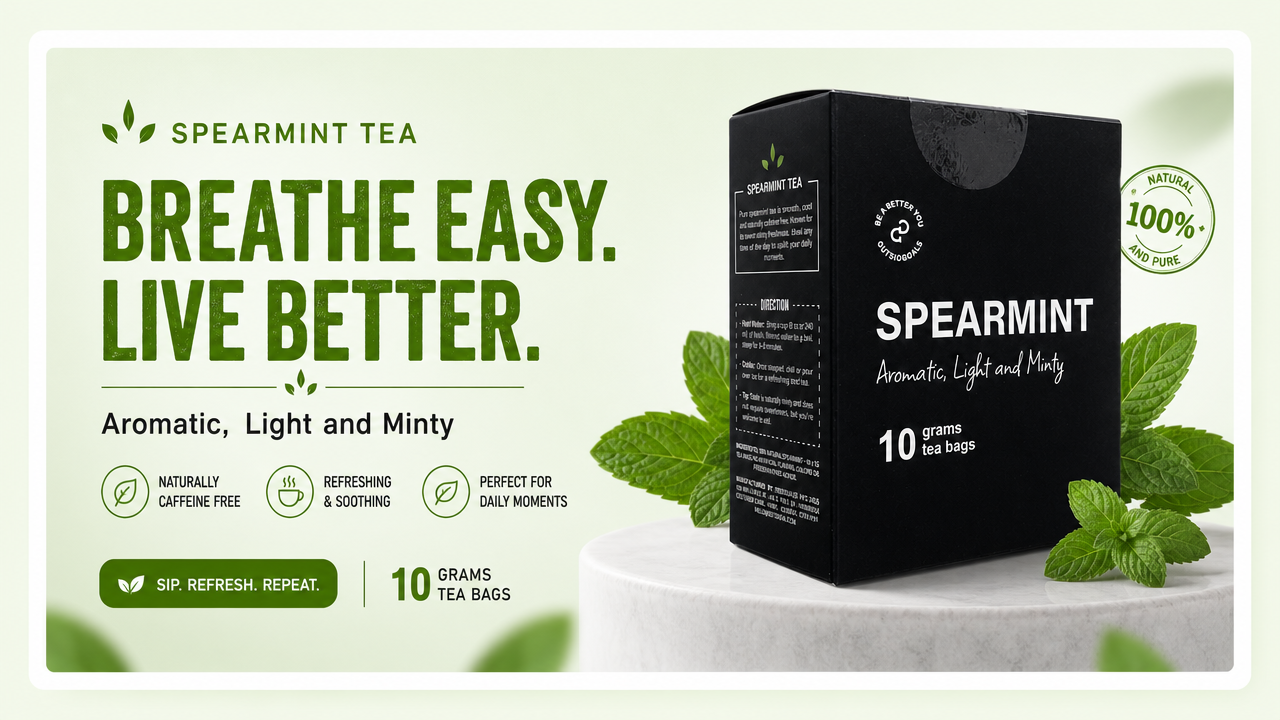
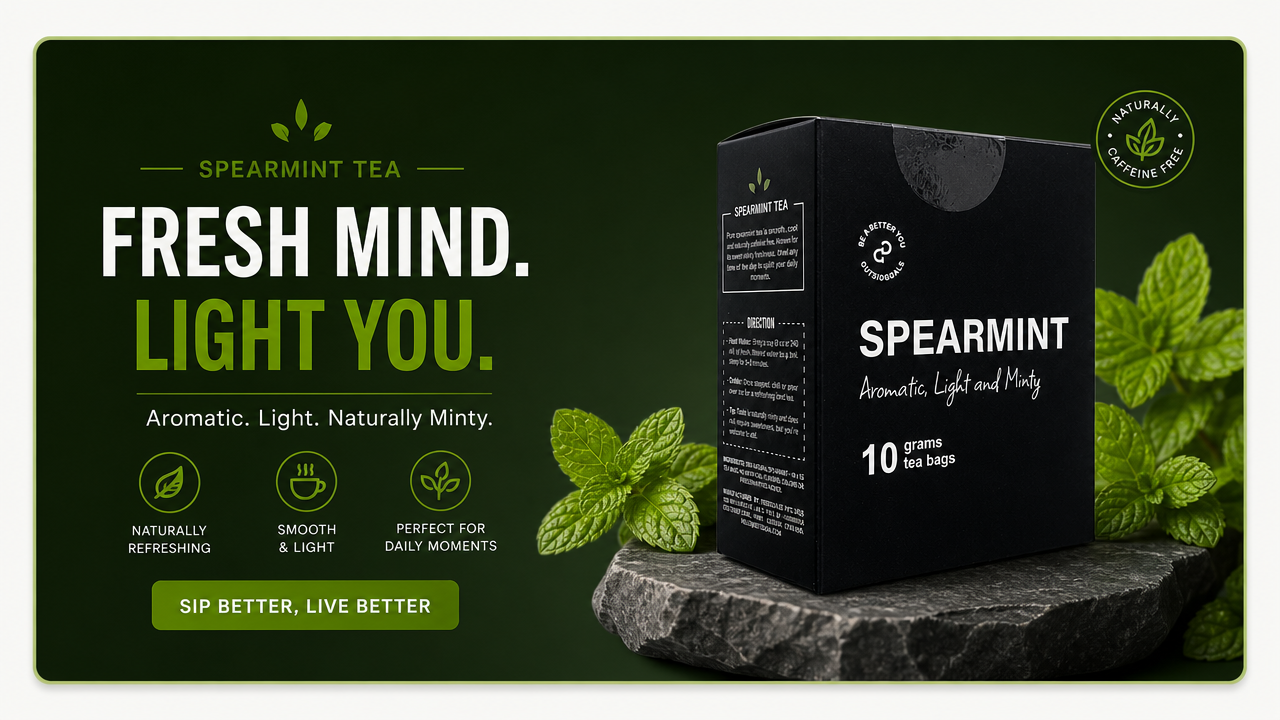
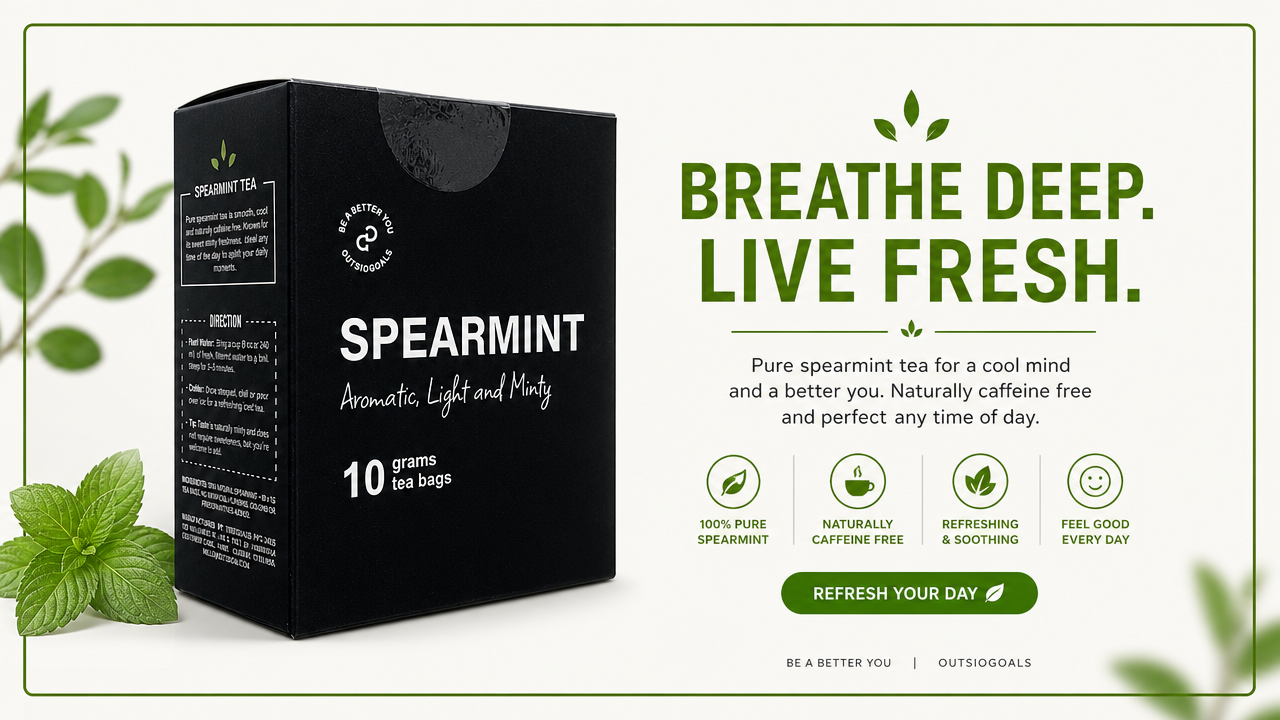
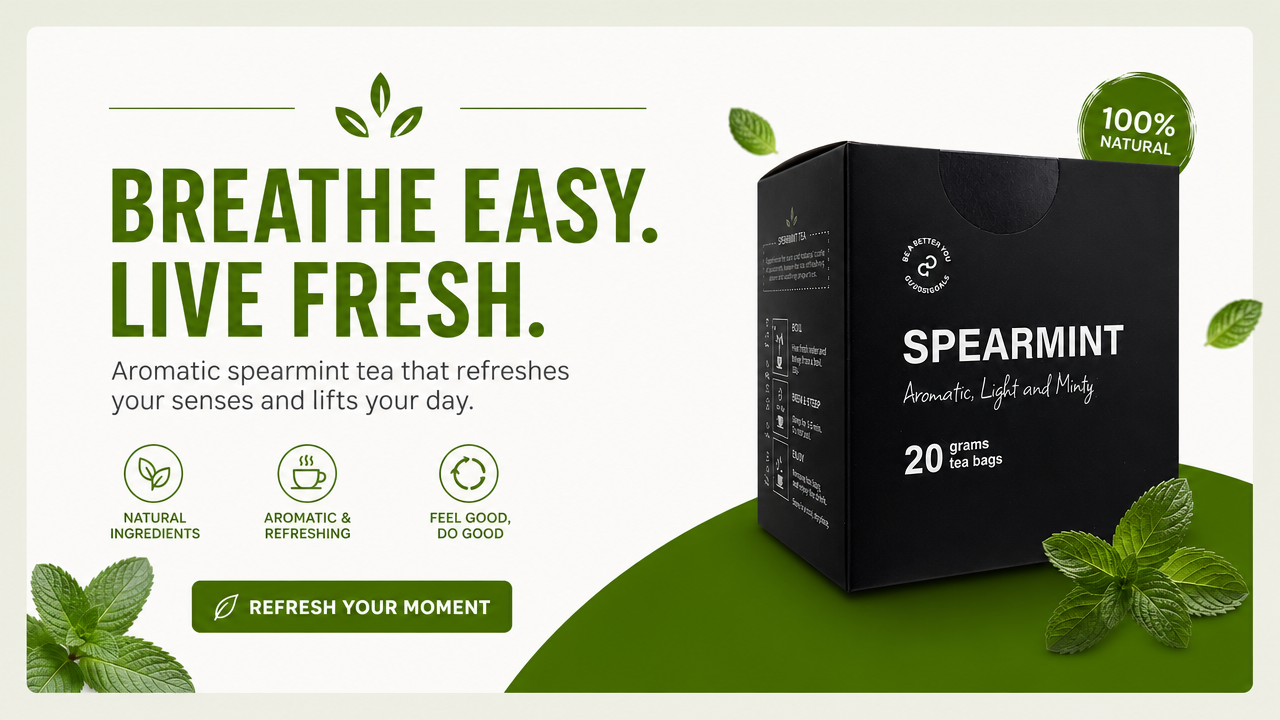
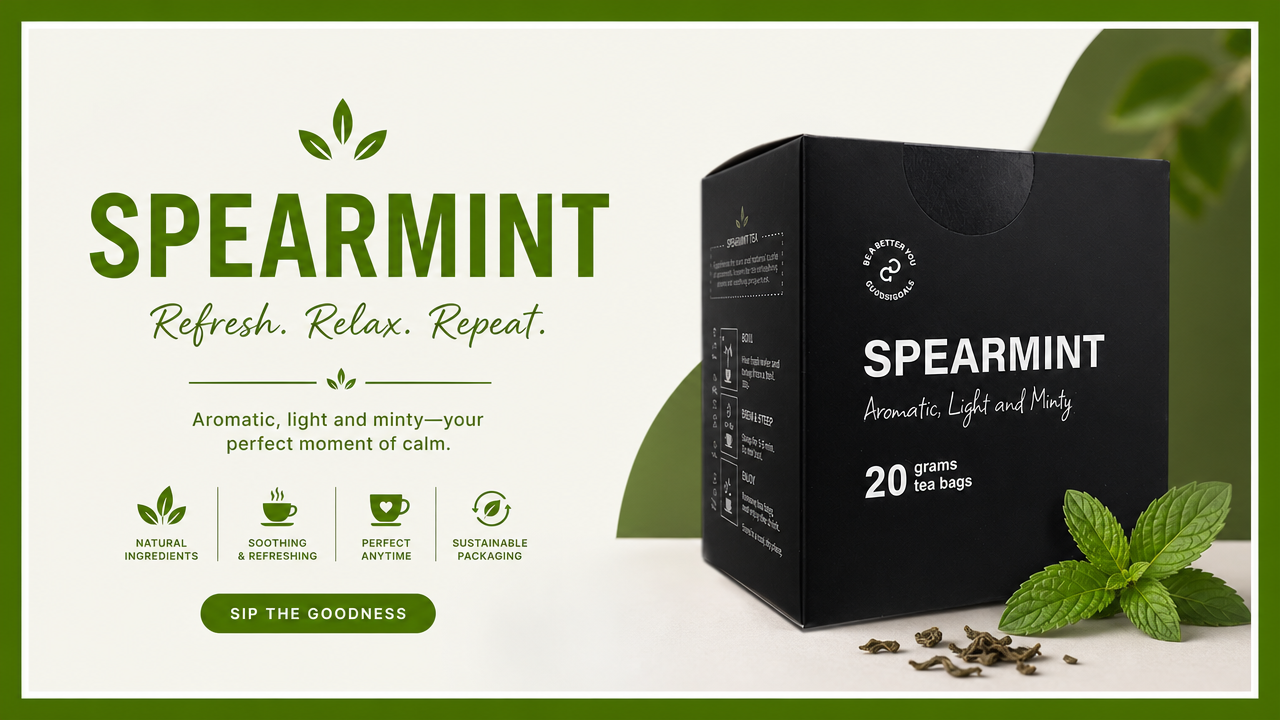
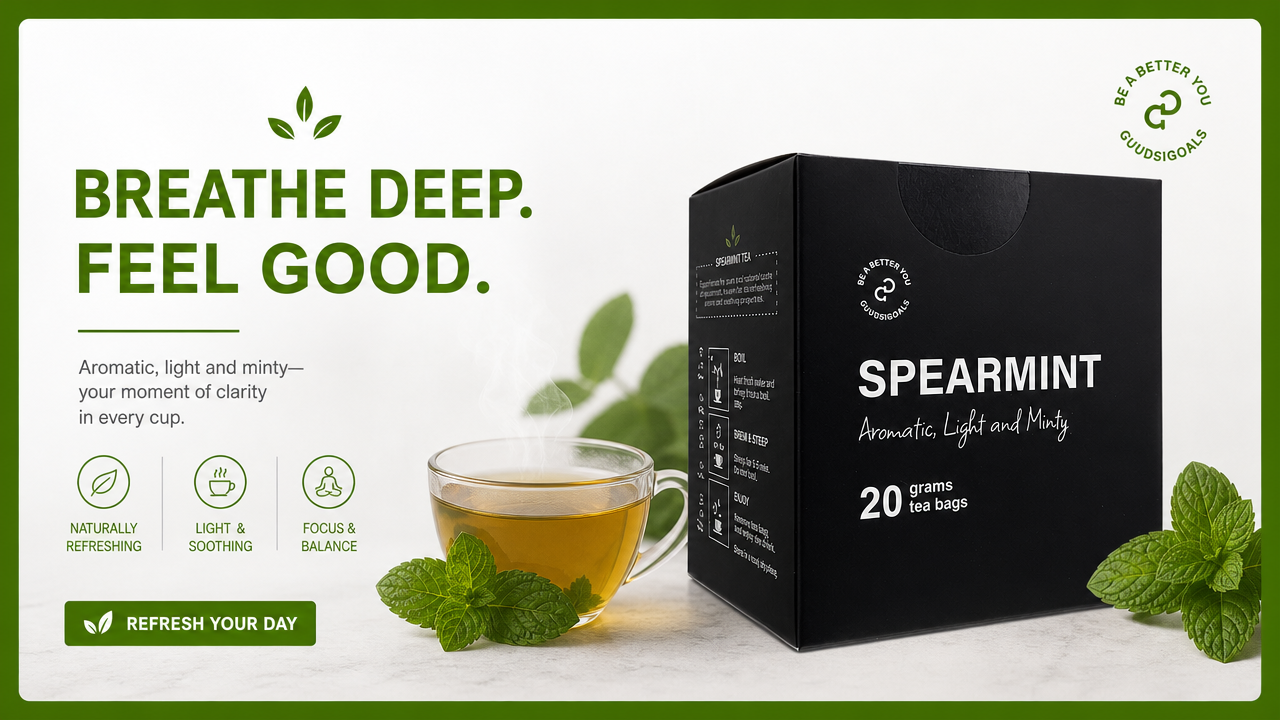
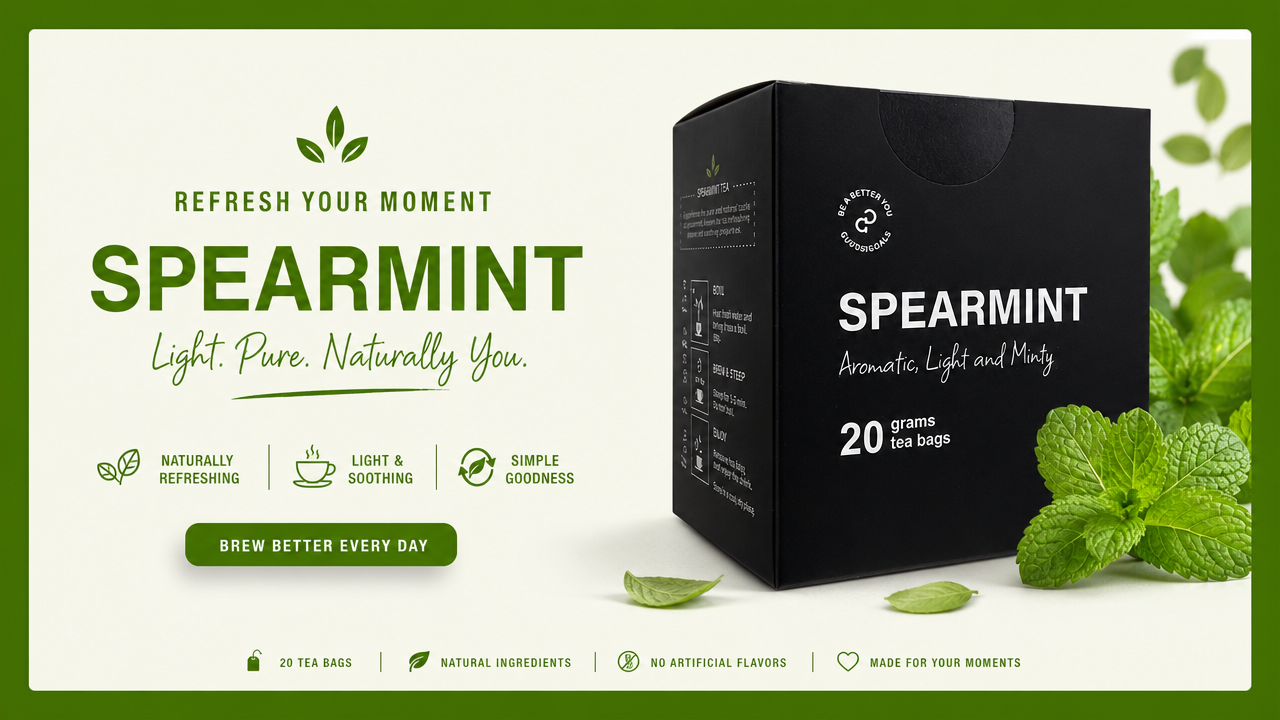
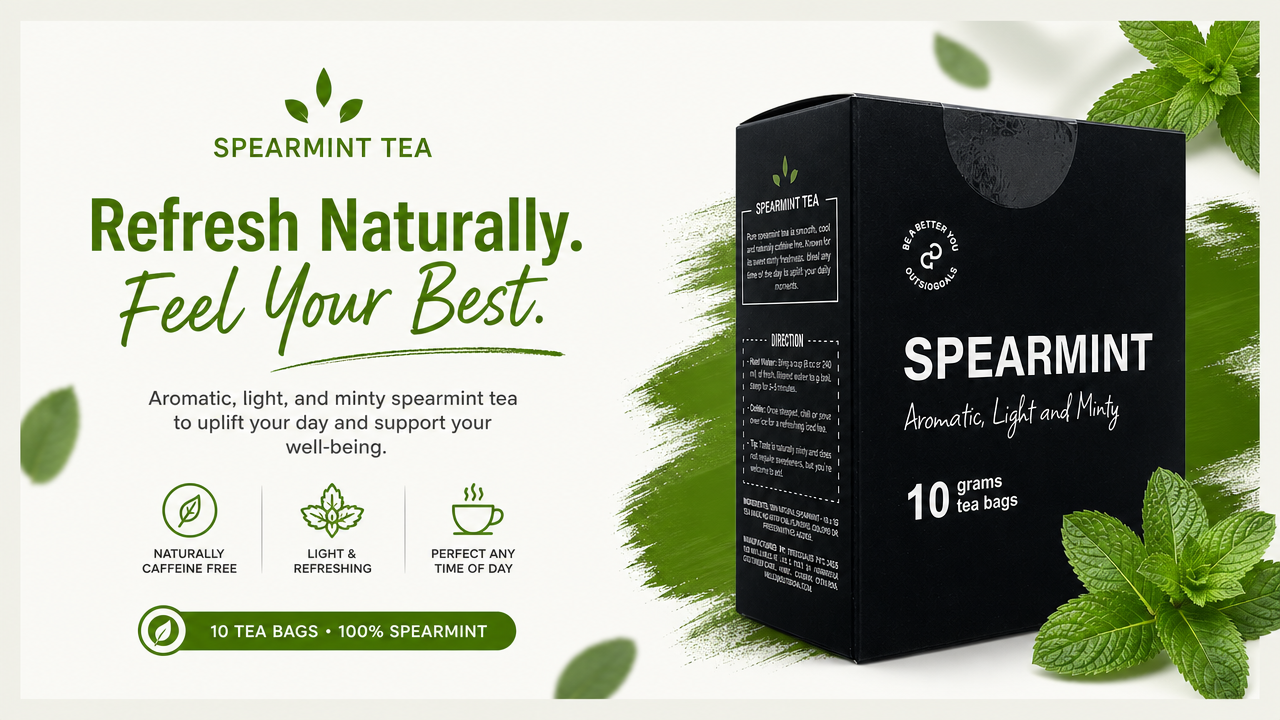
2. Add Spearmint Tea (Natural Hormone Support)
Spearmint tea is one of the most studied natural options for PCOS hormonal acne.
Some research suggests it may help:
- lower free testosterone
- reduce androgen-related symptoms
Simple step:
Drink 1–2 cups daily as part of your routine.
3. Reduce Stress (Cortisol Matters)
Chronic stress increases cortisol, which can:
- worsen insulin resistance
- increase androgen activity
- trigger breakouts
What helps:
- walking
- gentle movement
- better sleep routines
4. Support Hormone Detox Pathways
Your body naturally clears excess hormones—especially through the liver.
Helpful foods:
- broccoli
- kale
- cauliflower
These support how your body processes hormones linked to acne.
Why Skincare Alone Doesn’t Fix PCOS Acne
You can have the best skincare routine—and still struggle.
Because PCOS acne starts internally, not just on the surface.
That’s why long-term improvement comes from:
- balancing hormones
- improving insulin sensitivity
- supporting overall health
A Personal Note
I used to feel frustrated every time I looked in the mirror.
It felt like nothing was working.
But things shifted when I stopped trying to “fix” my skin—and started supporting my body instead.
It wasn’t instant.
But with consistency, my skin began to clear.
Want to Understand Your PCOS Acne Better?
Your symptoms follow patterns—and those patterns can guide your next steps.
👉 Take the PCOS Self-Assessment Quiz
Get your personalized hormone profile and next-step recommendations.
Guts To Goals
Clarity over confusion. Systems over symptoms.
Be a Better You.



Comments
No comments yet. Be the first to share your thoughts!