


Understanding the Gut–Hormone Connection
If you live with PCOS, bloating can feel unpredictable.
Some days, your stomach feels light and comfortable.
Other days, it feels tight, heavy, and distended—without a clear reason.
What makes it more frustrating is this:
it doesn’t always match what you eat.
You expect discomfort after certain foods—
but sometimes even a simple, “healthy” meal can leave you feeling swollen.
That’s because PCOS bloating isn’t just about food.
It’s about how your body is functioning underneath it.
What’s Really Behind PCOS Bloating
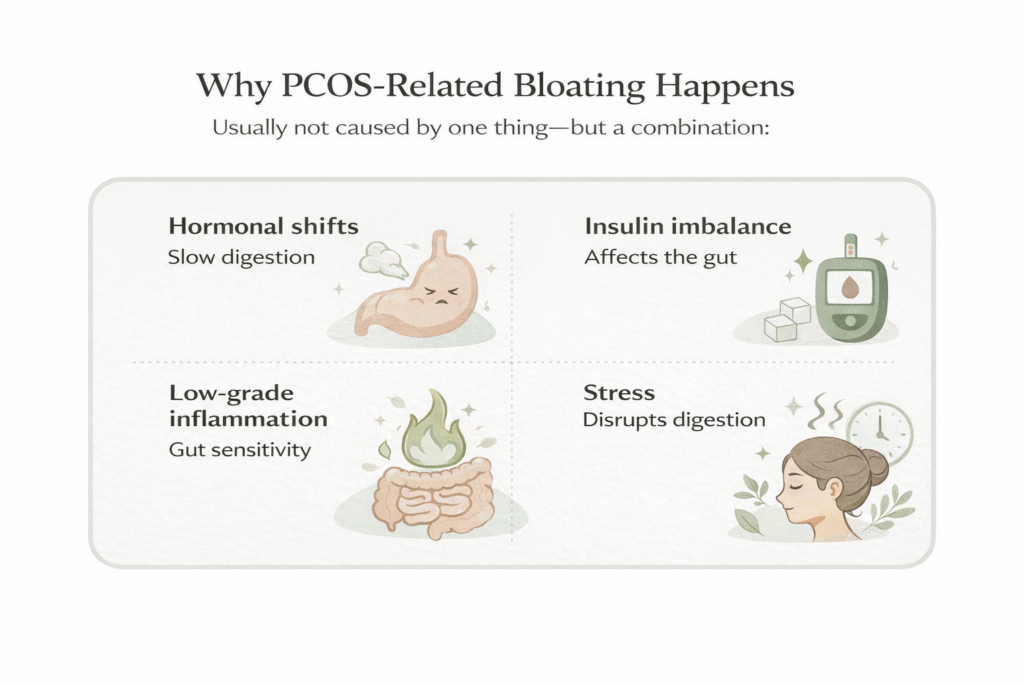
PCOS-related bloating is usually not caused by one thing—but a combination:
Hormonal shifts slow digestion
Changes in hormones can affect how quickly your gut moves. When digestion slows, gas and pressure build up.
Insulin imbalance affects the gut
Unstable blood sugar can influence how your body processes food—often leading to that heavy, swollen feeling.
Low-grade inflammation
PCOS is often linked to internal inflammation, which can make your gut more sensitive and reactive.
Stress disrupts digestion
When your body is constantly in “go mode,” digestion takes a back seat—leading to stagnation and discomfort.
A Personal Note
For a long time, my bloating didn’t just feel uncomfortable… it felt concerning.
There were moments when my stomach felt so tight that I started questioning if something was wrong internally. I went through tests, ultrasounds, and consultations… just trying to understand what was happening.
Even when everything came back “normal,” the confusion stayed.
I was eating clean. Avoiding trigger foods.
But my body still didn’t feel right.
That experience changed how I approached PCOS.
Instead of trying to eliminate more things,
I started focusing on how to support my body better.
That shift became the foundation of Guts To Goals.
How to Calm Bloating—Naturally
The goal isn’t restriction.
It’s stability.
1. Create Consistency in Your Day
Irregular eating patterns can make bloating worse.
Try:
- Eating at regular times
- Avoiding long gaps followed by large meals
Consistency helps your body feel “safe” and improves digestion over time.
2. Choose Easier-to-Digest Foods
Even healthy food can be hard to process if your system is overwhelmed.
Try:
- Cooked vegetables instead of raw
(I realized this too late>>> brocolli and cauliflower cause bloating/gas too) - Warm meals instead of cold, heavy combinations
Think: gentle, not extreme.
3. Build Simple Daily Rituals
Your body responds well to signals it can rely on.
Something as simple as a consistent evening routine can help regulate both digestion and hormones.
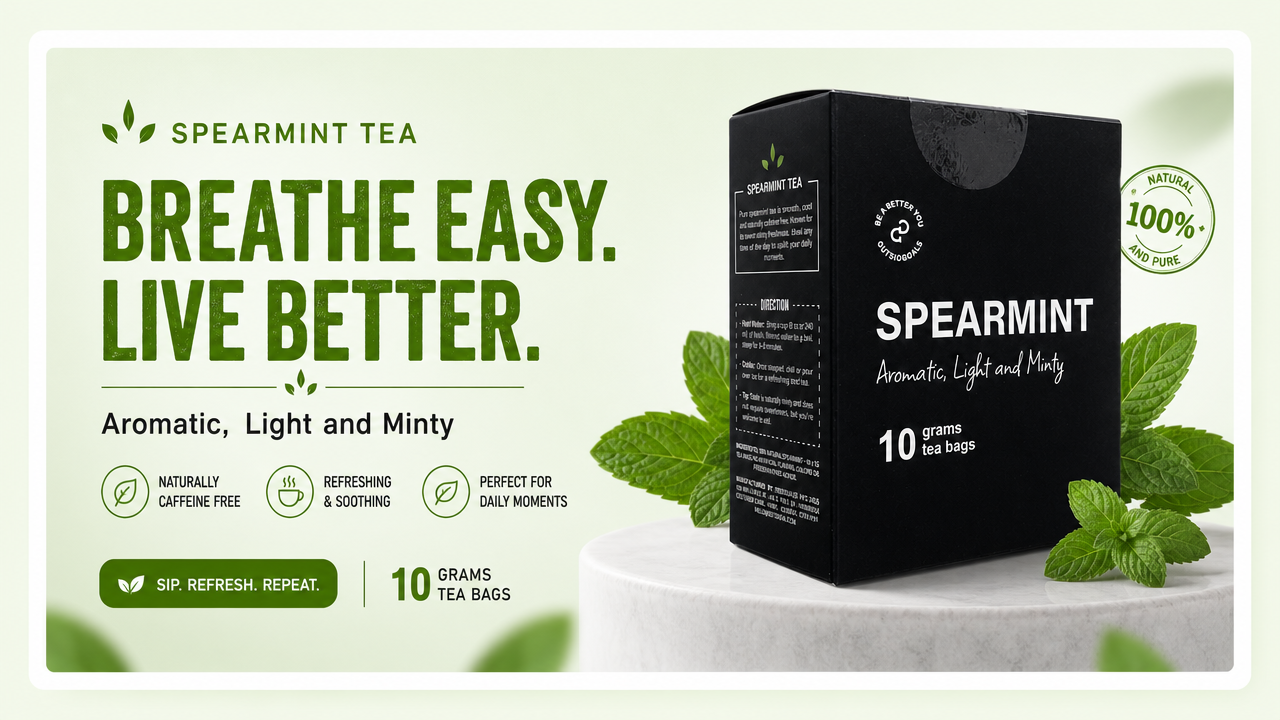
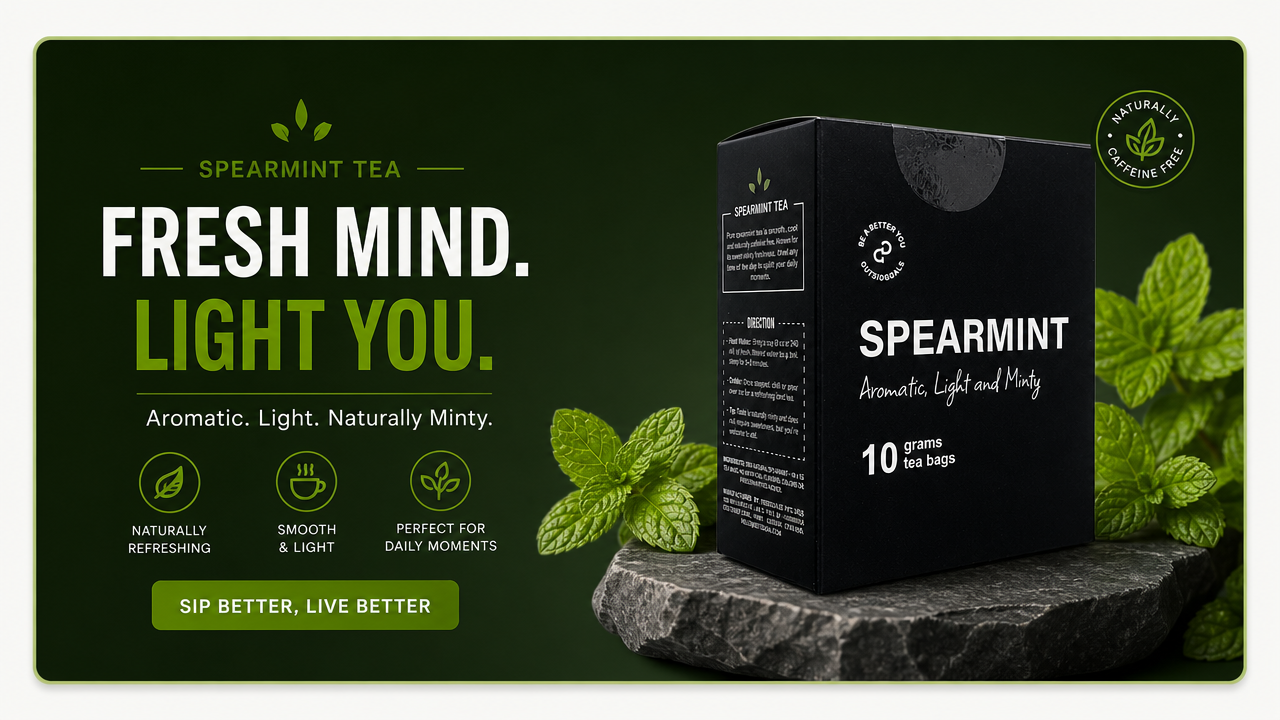
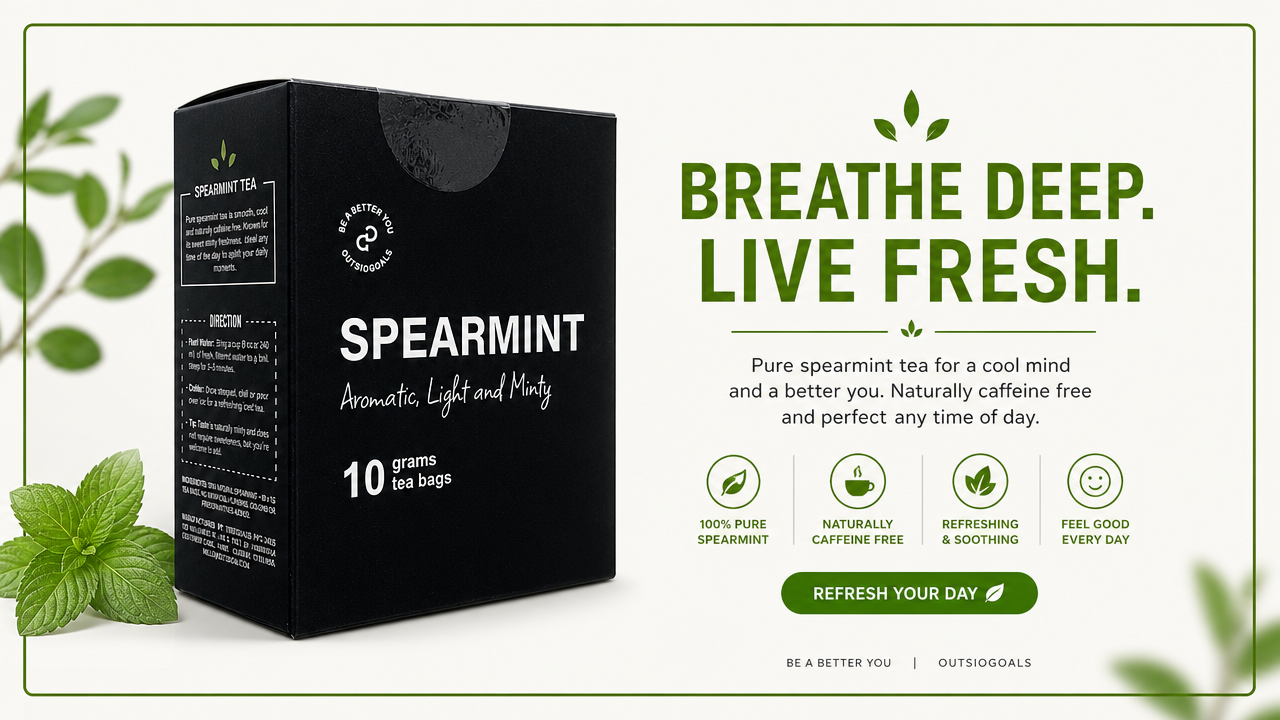
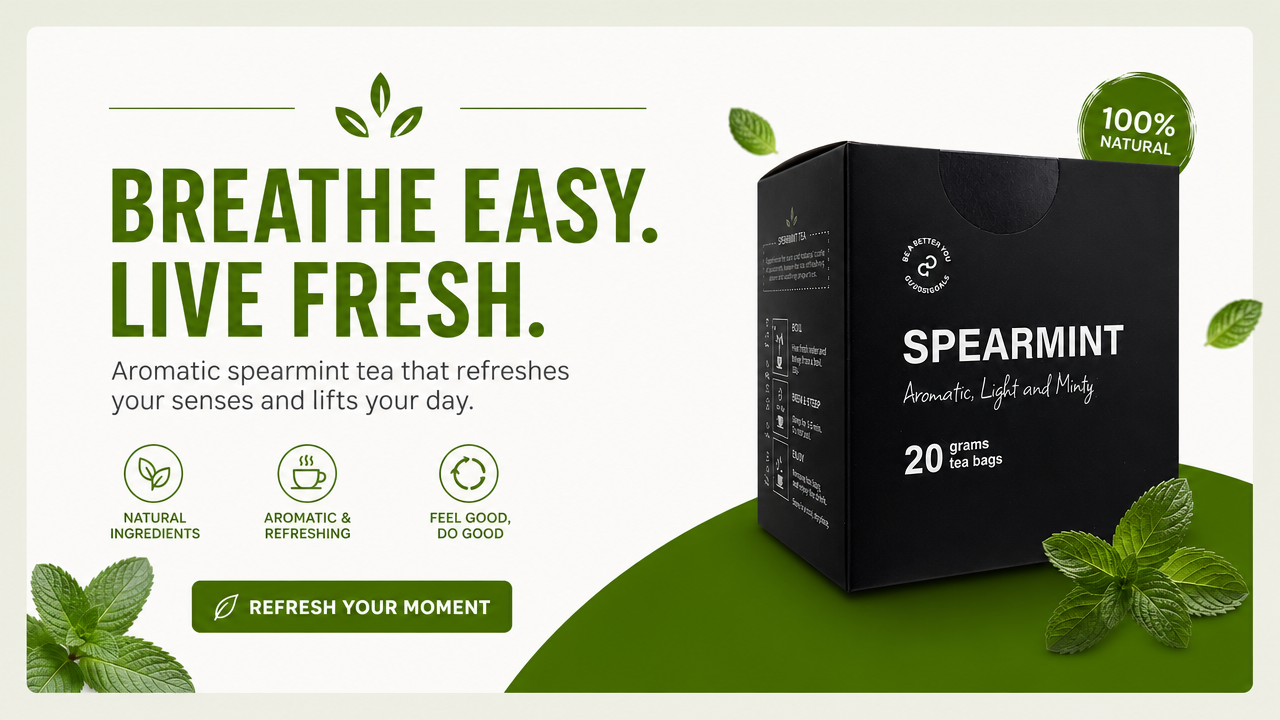
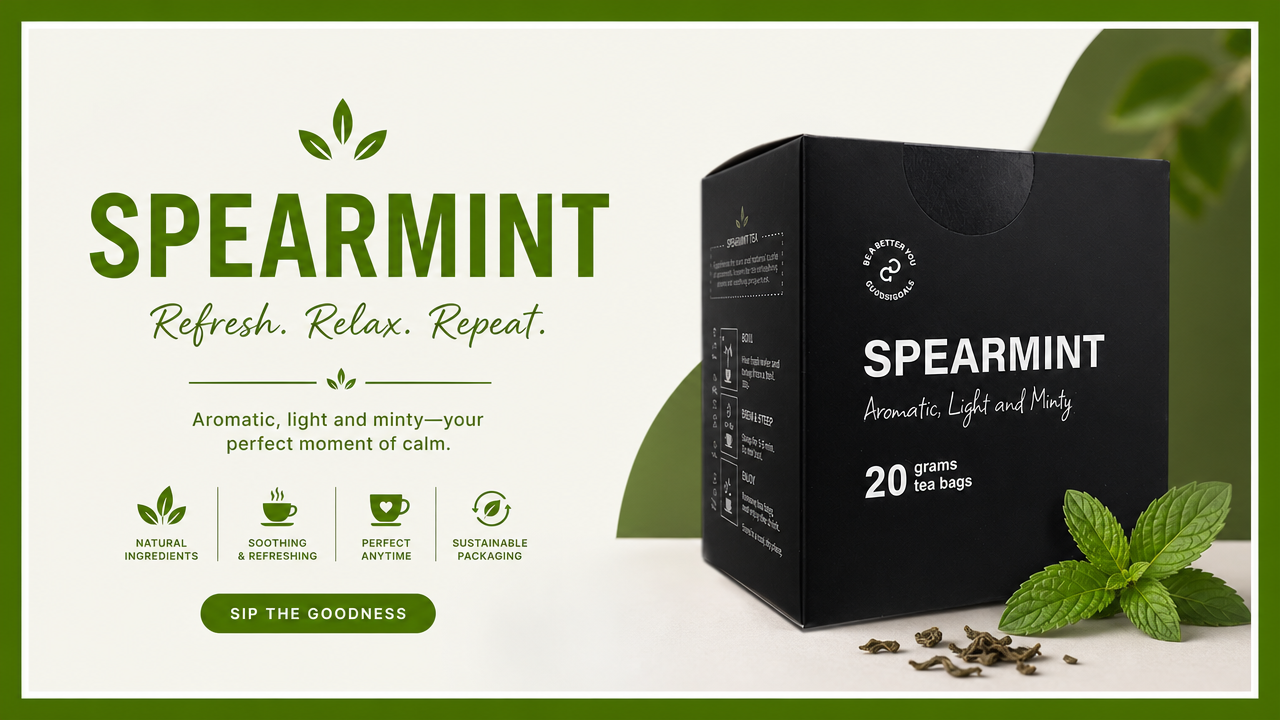
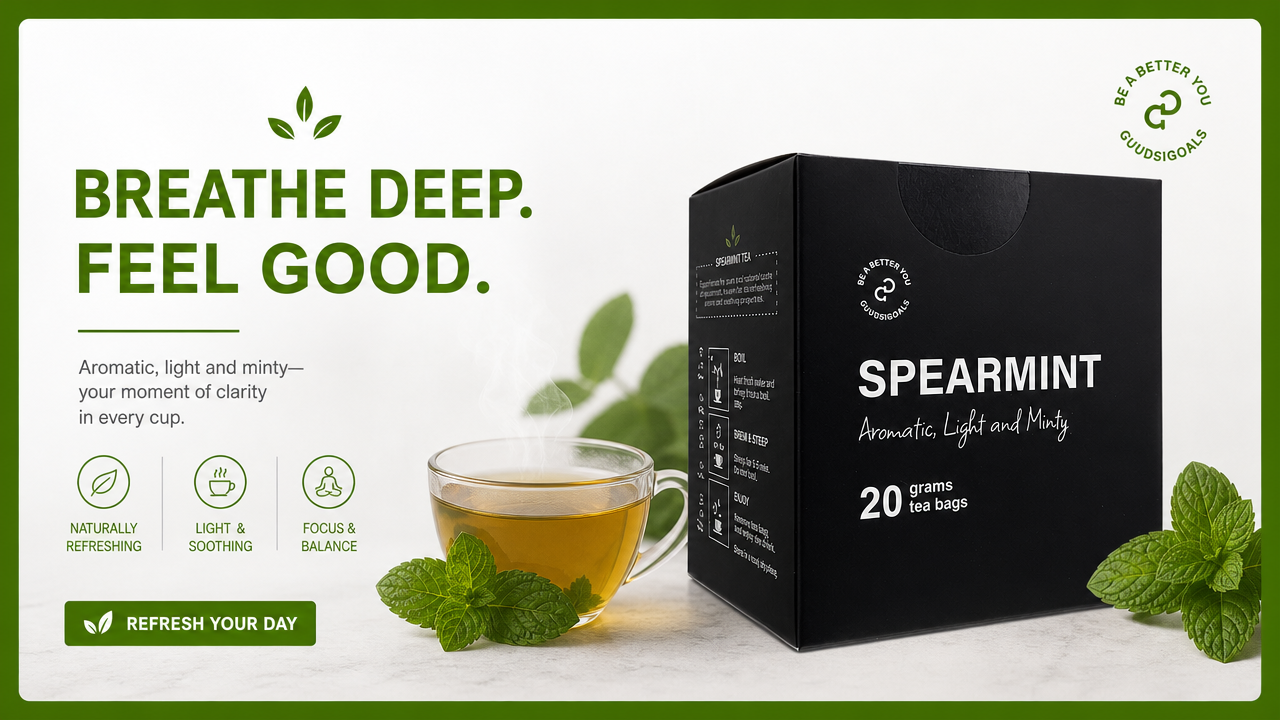
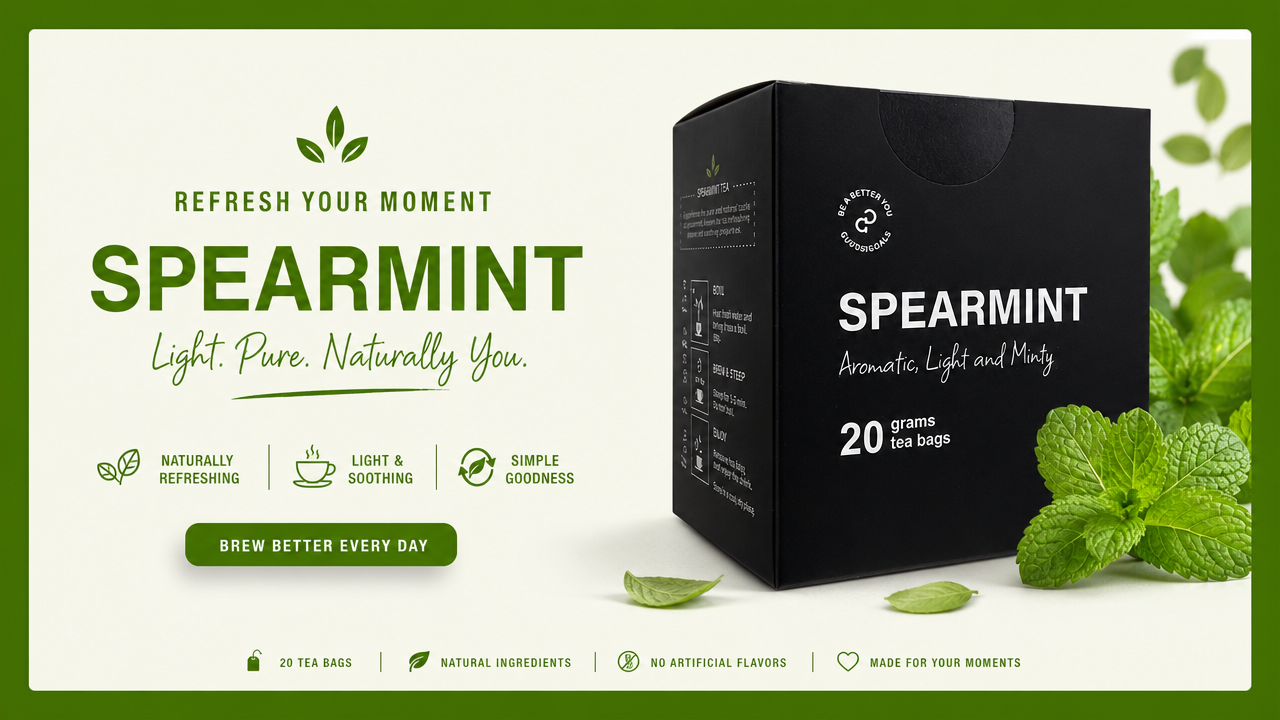
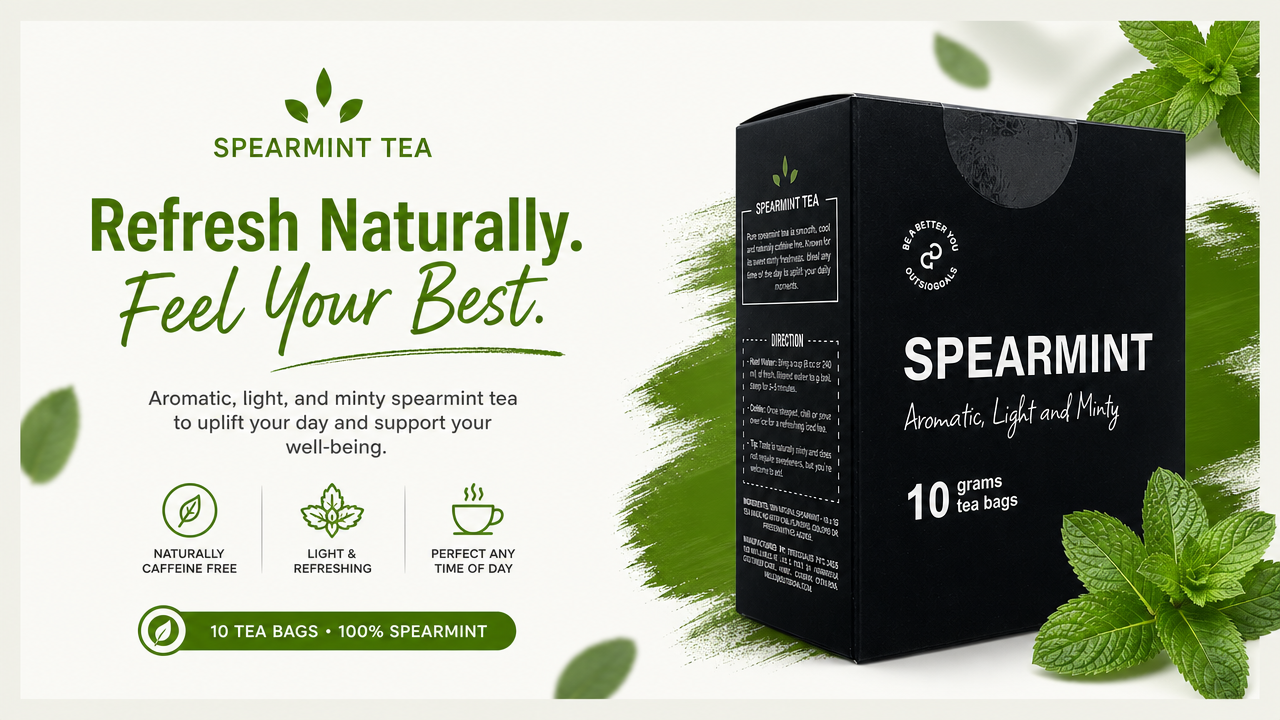
For example, a warm cup of spearmint tea in the evening can act as a reset—
not just for digestion, but for your entire system.
Not as a “fix,”
but as a small habit that supports balance over time.
NOTE: if there’s gas, that’s likely to come out as a burp or the other way/exit – after drinking spearmint tea.
4. Move—Gently but Consistently
You don’t need intense workouts.
Even a short walk after meals can:
- Support digestion
- Reduce bloating
- Help stabilize blood sugar
Simple movement is often enough.
A Different Way to Look at Bloating
It’s easy to see bloating as something to fight.
But often, it’s a signal.
A signal that your body needs:
- More consistency
- Less stress
- Gentler support
When you focus on building the right foundation,
your body doesn’t need to react as strongly.
Guts To Goals
Clarity over Confusion.
Systems over Symptoms.
Be a Better You.





Comments
No comments yet. Be the first to share your thoughts!